Ennis House
Last updated September 16, 2026
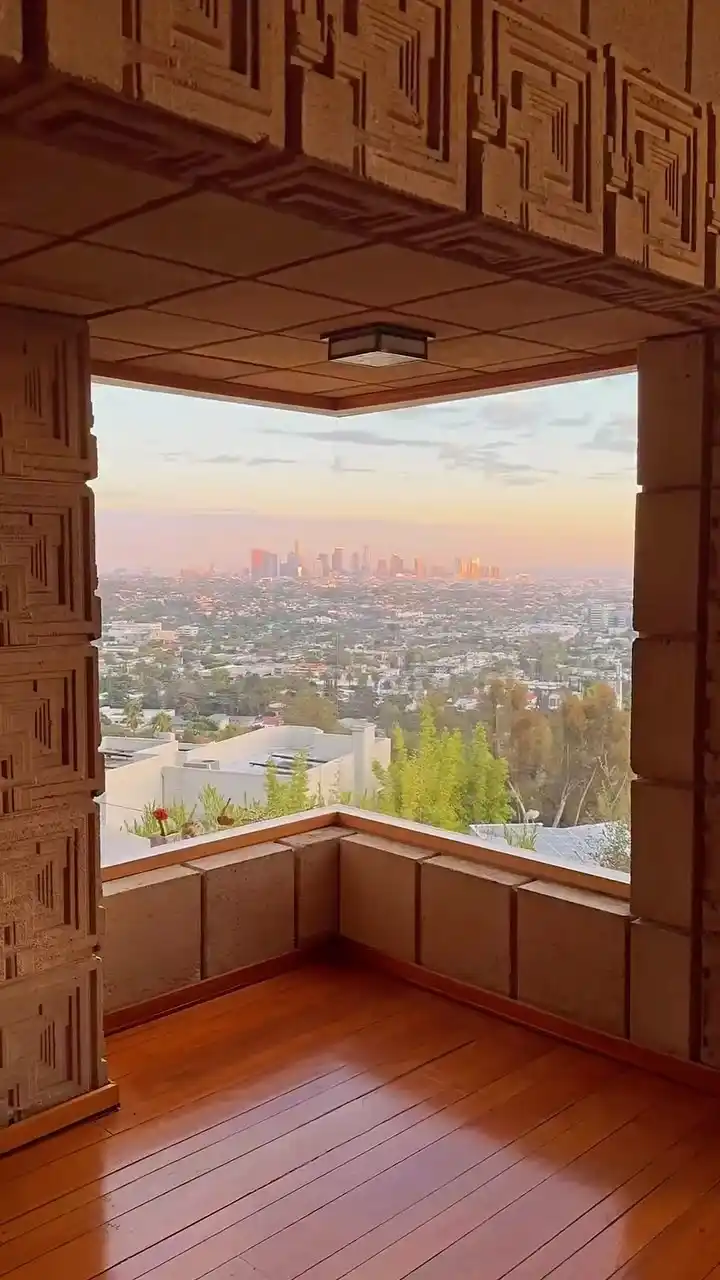
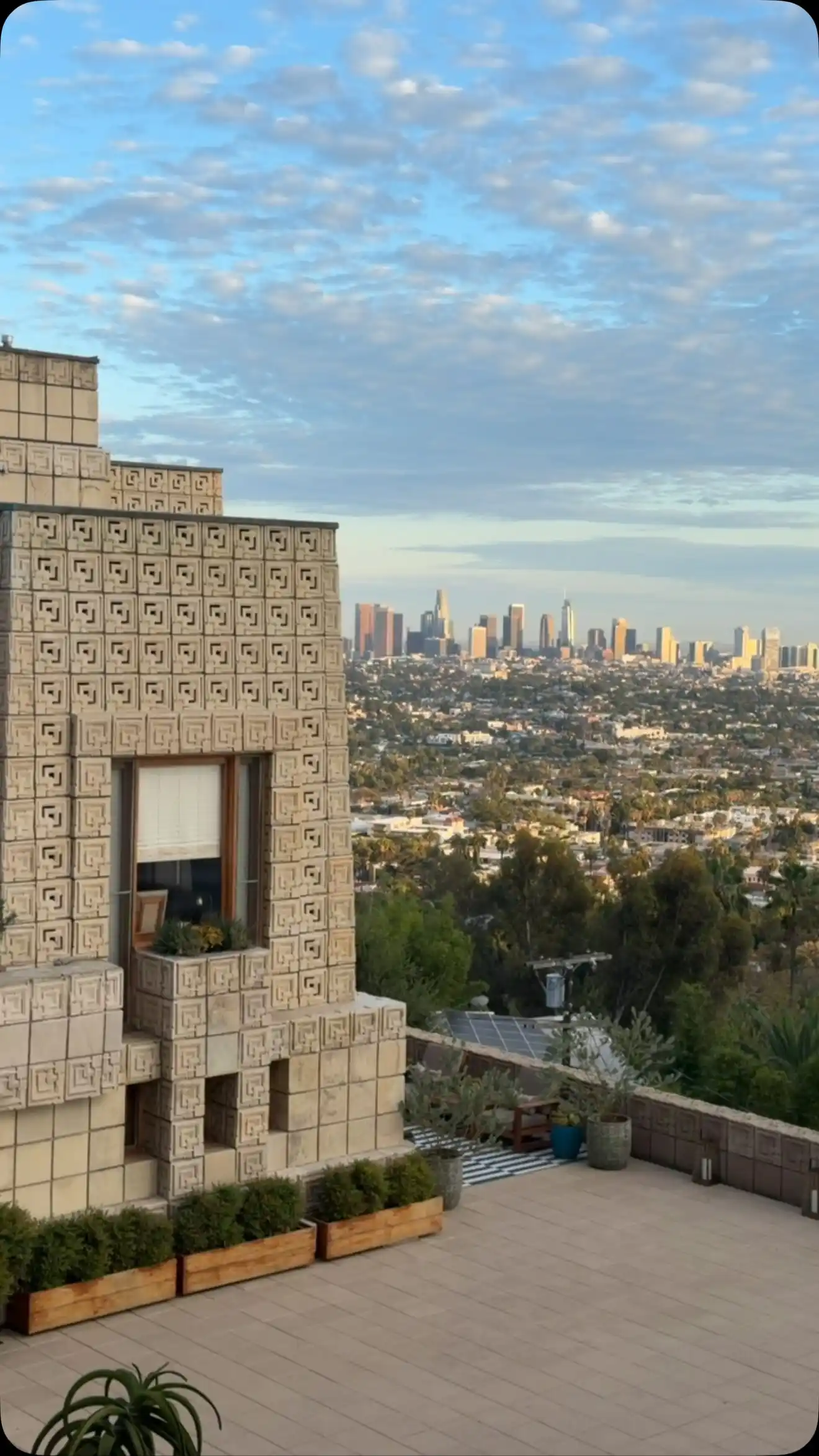
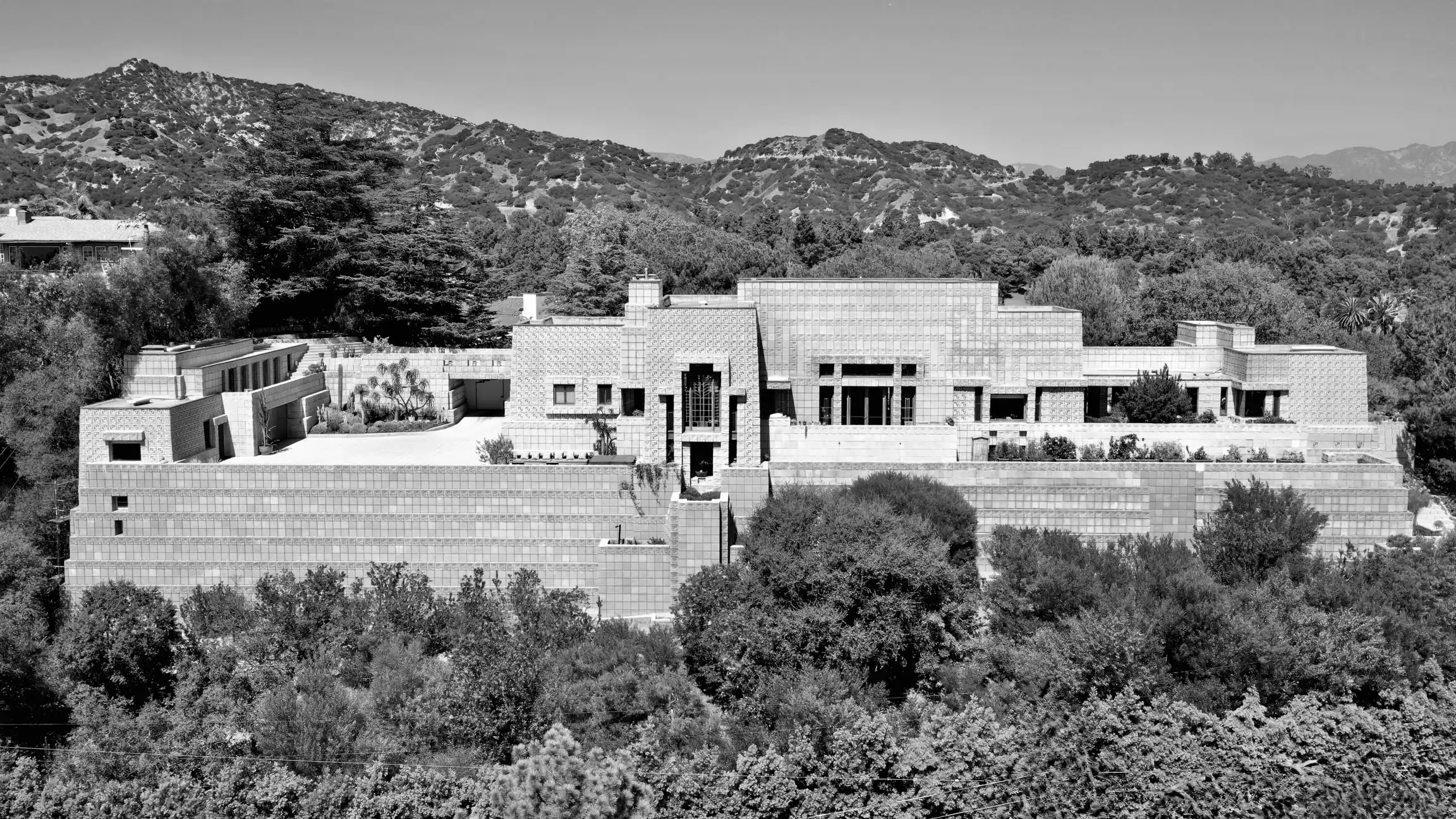
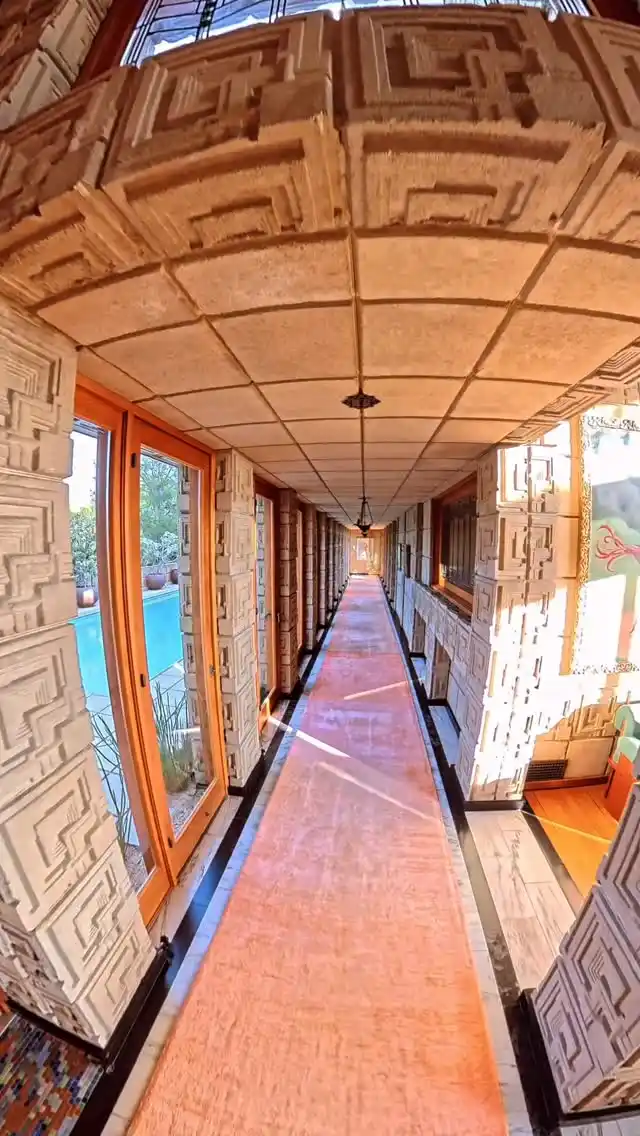
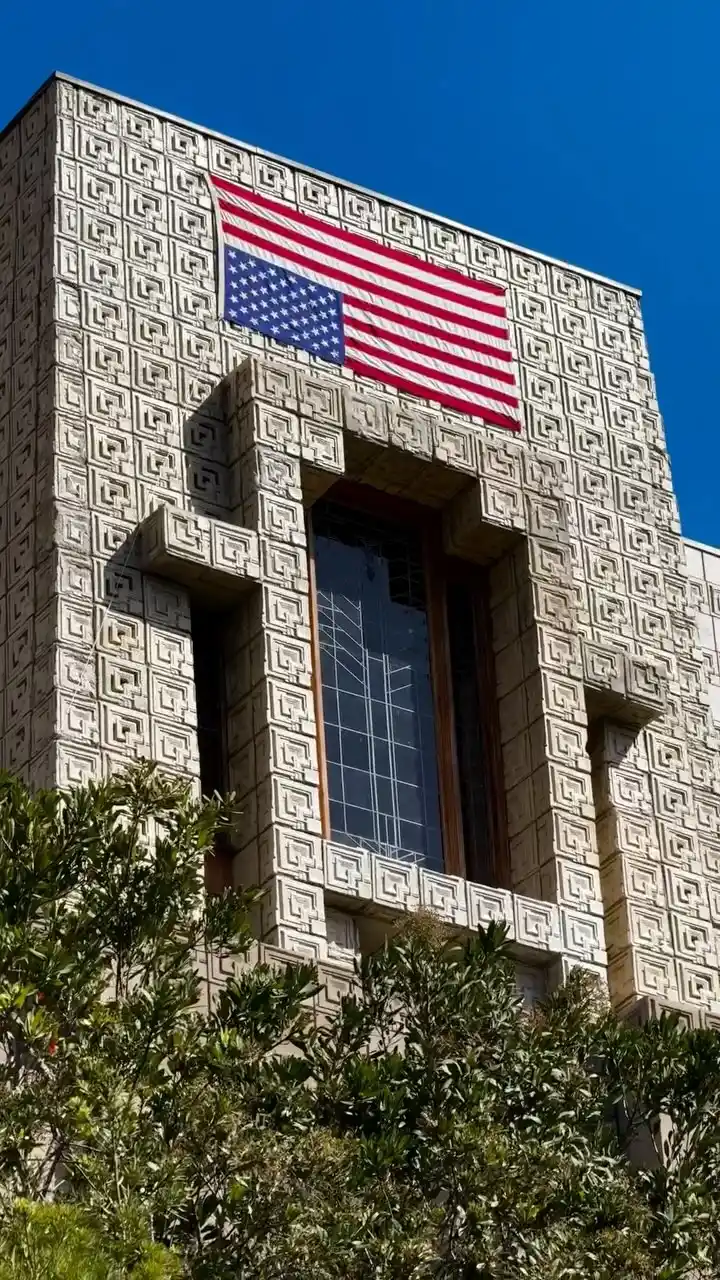
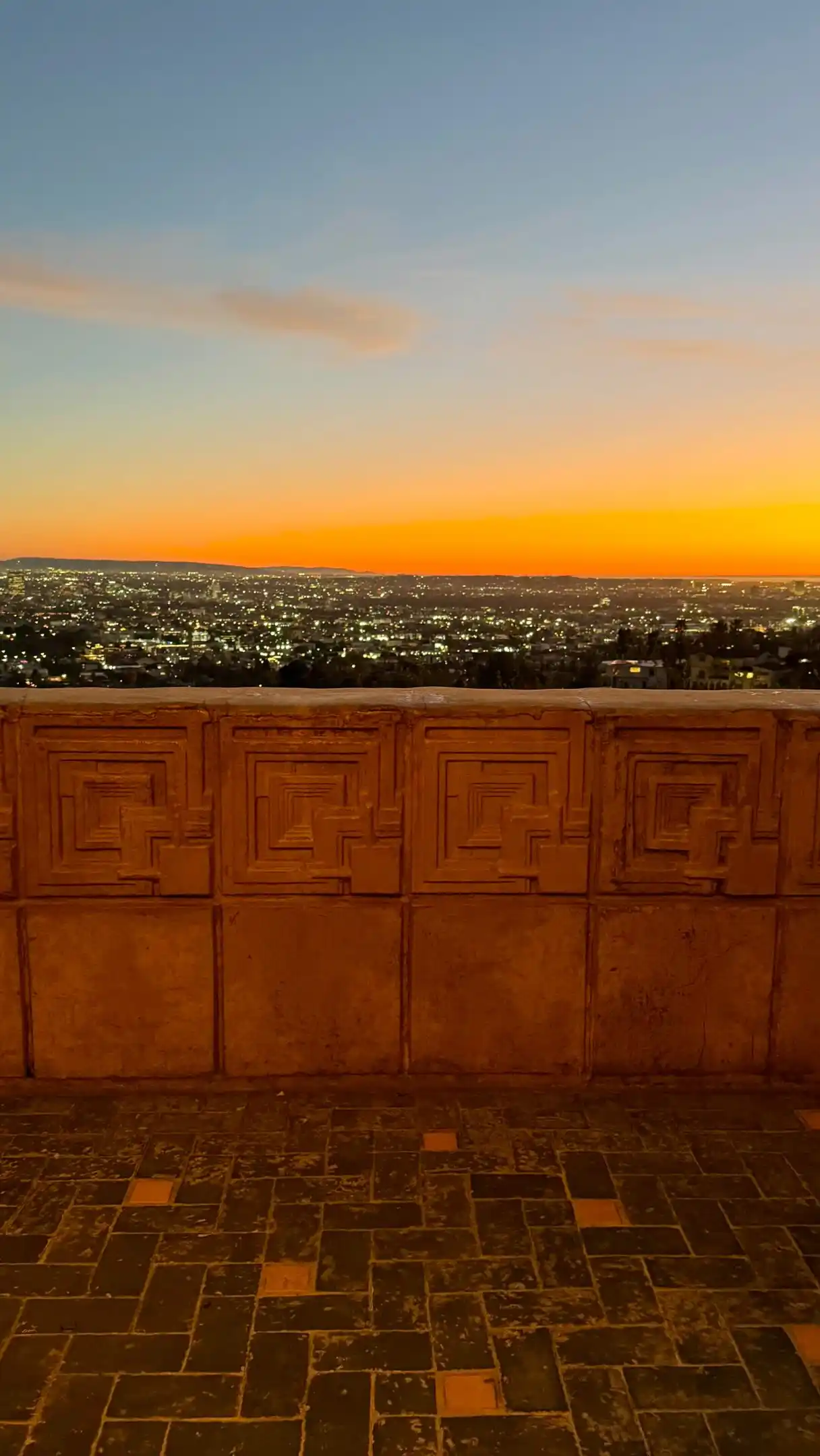
More than 27,000 hand-cast patterned concrete blocks give Ennis House its force. Up close, the surface is not flat so much as carved: repeating relief and Greek-key motifs lock together across a Mayan-Revival façade that feels both ancient and sharply designed.
It is the last and largest of Frank Lloyd Wright’s four Los Angeles -area “textile block” houses, and the scale matters. The motor court has its own screen memory — most famously as the Blade Runner motor-court — but the pleasure is in seeing how the cinematic weight comes from the architecture itself: block after block, pattern after pattern, turned into a monumental residence.
The house is privately owned, so public access is limited. That makes the required public viewing days and rare tours valuable chances to look properly at Wright’s experiment rather than just know it from photographs. Ennis House is listed on the National Register of Historic Places and is a designated Los Angeles Historic-Cultural Monument, with protections that help keep its distinctive exterior intact.