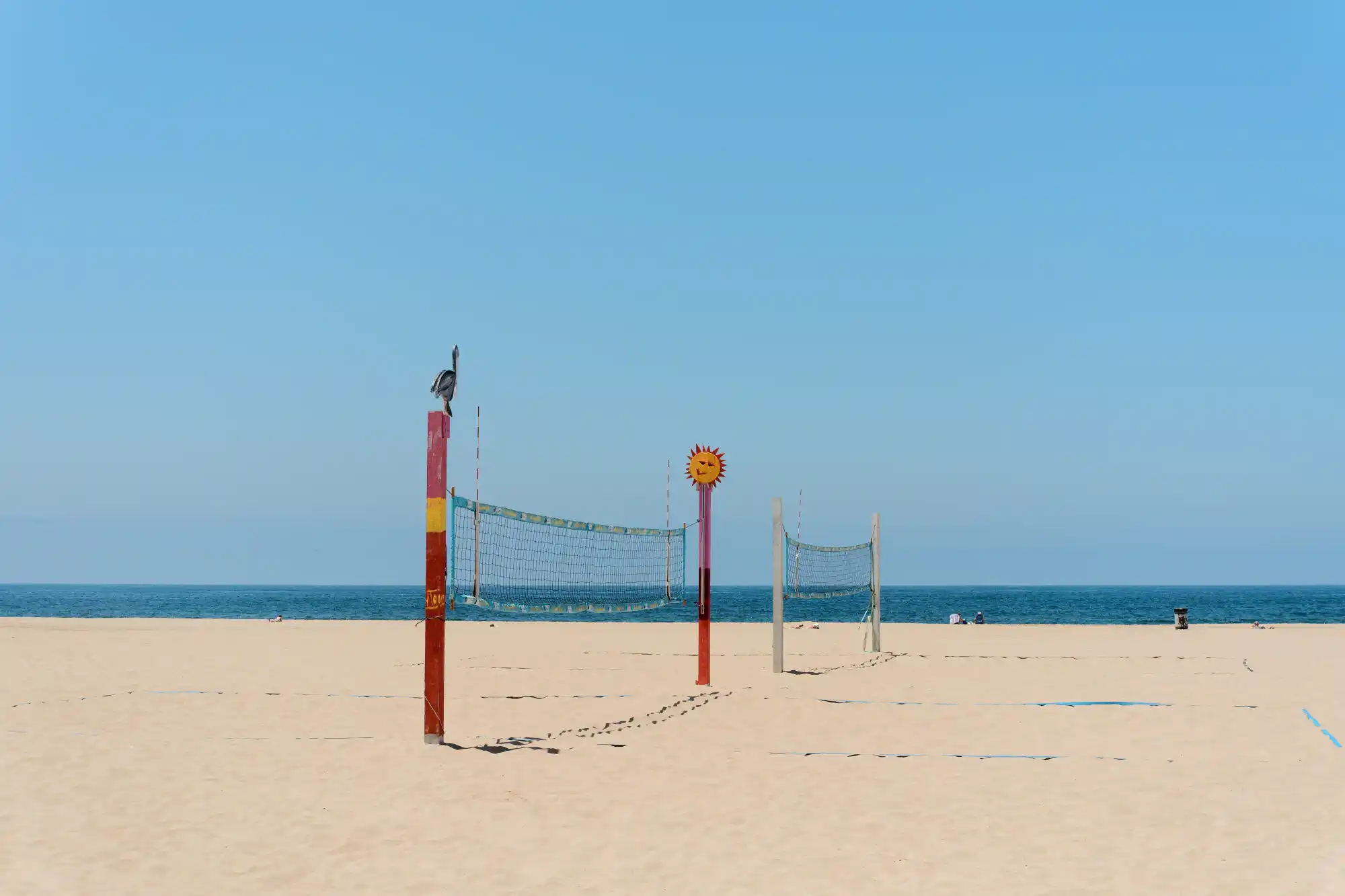
The best way to see Los Angeles in two days is to stop trying to see all of Los Angeles.
Los Angeles is a city that punishes ambition. Try to squeeze Hollywood, Downtown, Venice, Malibu, Silver Lake, Beverly Hills and half a dozen museums into two days and there's a good chance the clearest memory you'll take home is the brake lights of the car in front.
The better way to approach LA is to accept its scale. Pick a direction, give the neighbourhoods some room and remember that getting from one part of the city to another is part of the experience. This is a place of palm-lined boulevards, hillside houses, taco trucks, movie palaces, low-slung Modernism and unexpected glimpses of mountains — there's plenty to look at between stops.
Our route spends day one moving through Hollywood and some of central LA's cultural heavy hitters, with plenty of eating and drinking along the way. Day two heads for the ocean, starting amid the beautiful chaos of Venice before following the coast south to Manhattan, Hermosa and Redondo — preferably on two wheels.
It isn't designed to show you everything.
That's the point.
Day One — Breakfast with a little Hollywood history
Day 1 — 8am*
Start with a proper LA diner
Los Angeles does breakfast particularly well when it doesn't try too hard.
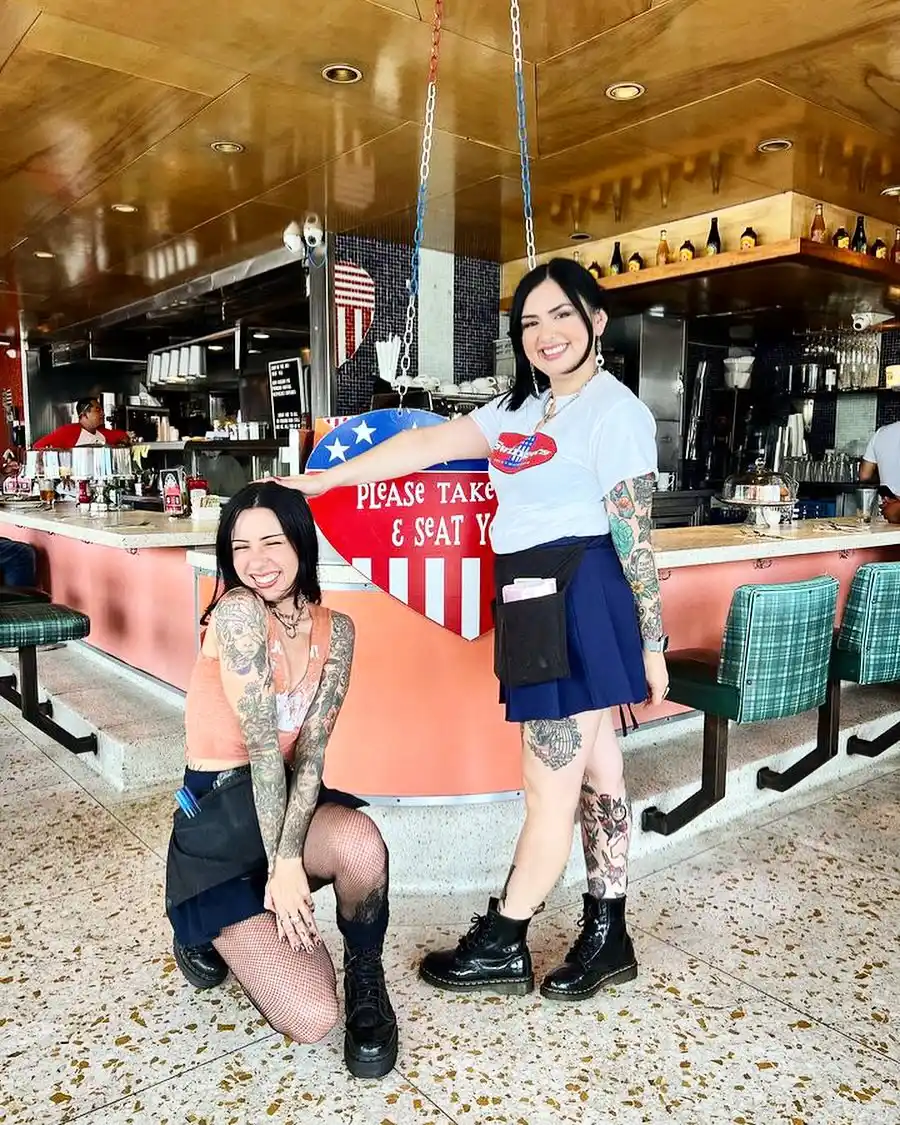
Swingers Diner on Beverly Boulevard has been serving its particular version of the all-American diner since the early 1990s: colourful booths, big breakfasts, endless coffee and a menu that happily puts pancakes, huevos rancheros, breakfast burritos and vegan options alongside one another.
It's retro without feeling like a theme park, and sufficiently LA that you're as likely to find someone nursing a green juice as demolishing eggs and hash browns.
Order a proper breakfast, get another coffee and don't rush. There are considerably worse ways to begin two days in Los Angeles.
From here, head towards Hollywood Boulevard for a quick dose of movie history before climbing into Griffith Park.
Day 1 — 9:30am*
A little old Hollywood
From Swingers, head north towards Hollywood Boulevard. This is one part of Los Angeles where it's worth embracing a little tourism — just selectively.
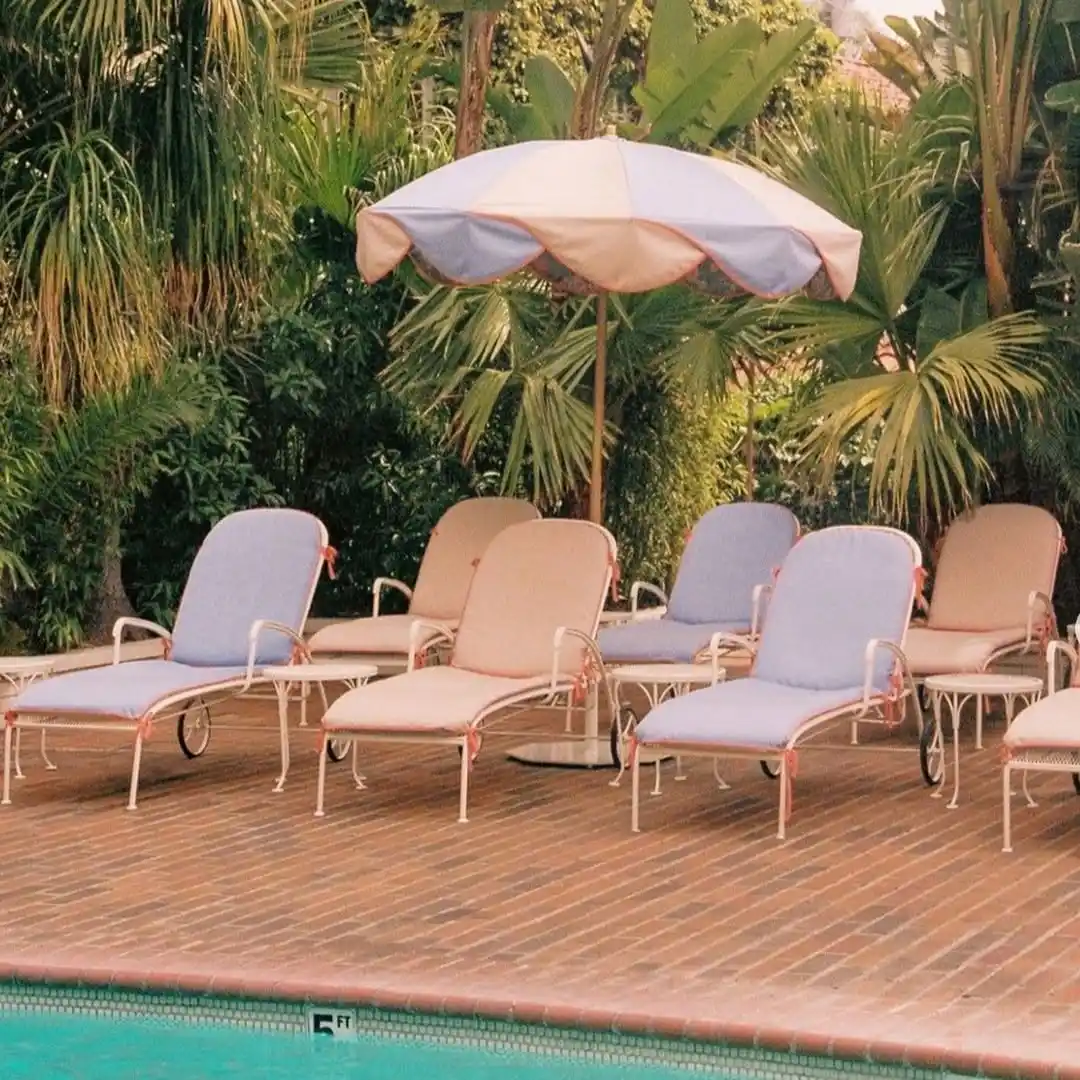
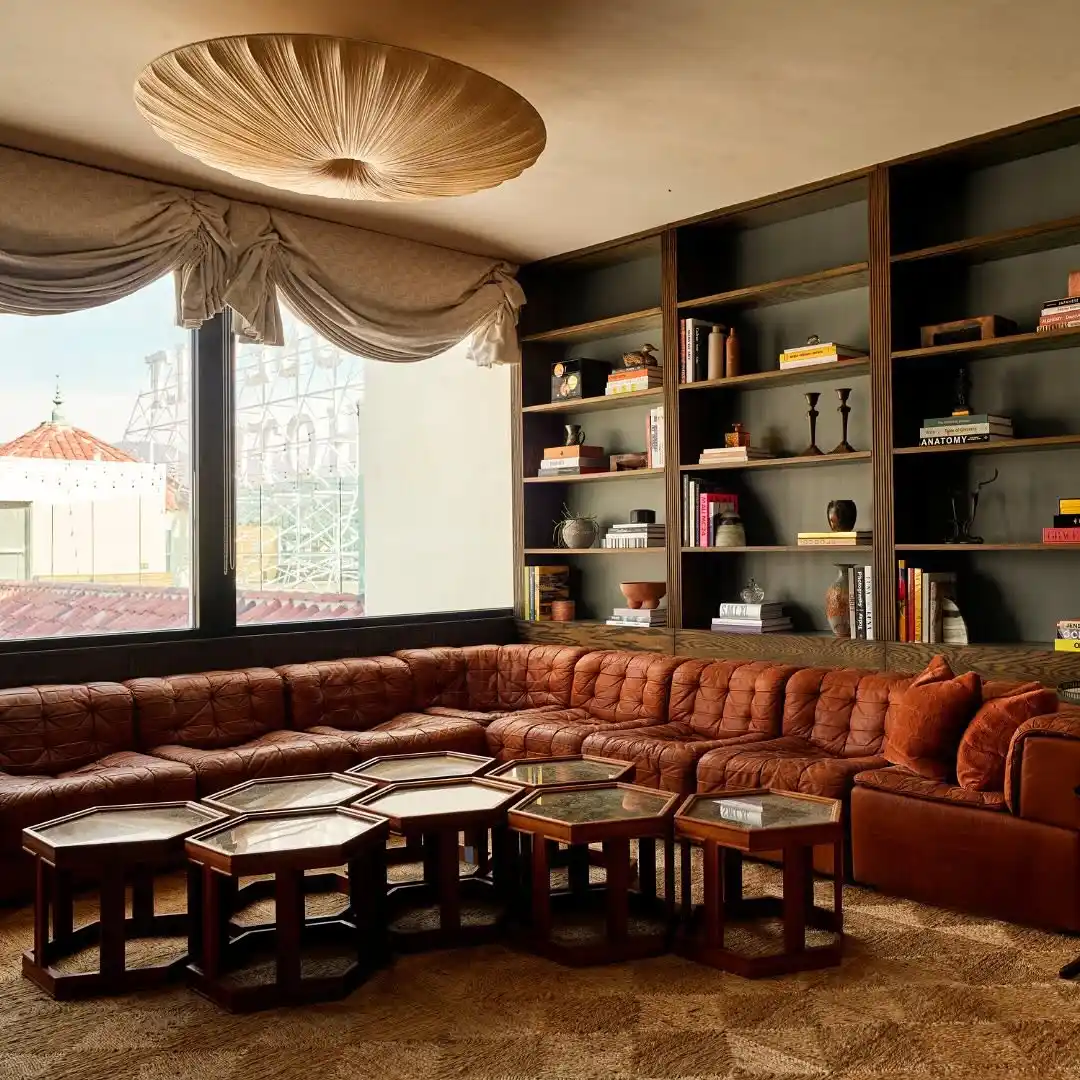
The Hollywood Roosevelt has been watching over the boulevard since 1927, when Hollywood was still inventing much of its mythology. Step inside for a look at the Spanish Colonial lobby and wander through towards the pool, famously painted by David Hockney in the late 1980s. Two years after the hotel opened, it hosted the very first Academy Awards — a rather smaller affair than the spectacle Hollywood puts on today.
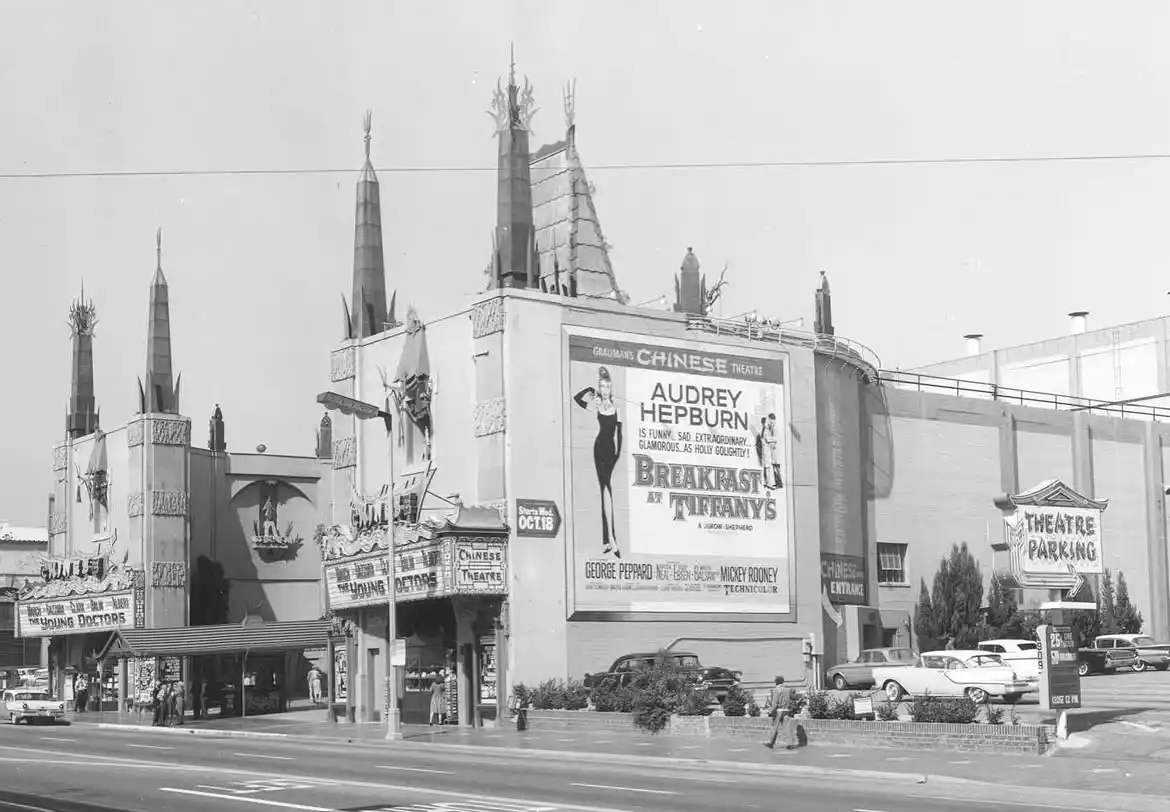
Across the road, TCL Chinese Theatre is another genuine survivor of that era. Opened in 1927, its elaborate pagoda-like façade was designed to make going to the movies feel suitably theatrical, while the courtyard out front became famous for the handprints, footprints and signatures of generations of film stars.
Yes, you're on the Walk of Fame. Yes, there will probably be someone dressed as Spider-Man nearby. Don't worry about it. Have a look at the theatre, find a few names in the concrete, enjoy Hollywood Boulevard for what it is — then move on.
Order a proper breakfast, get another coffee and don't rush. There are considerably worse ways to begin two days in Los Angeles.
From here, head towards Hollywood Boulevard for a quick dose of movie history before climbing into Griffith Park.
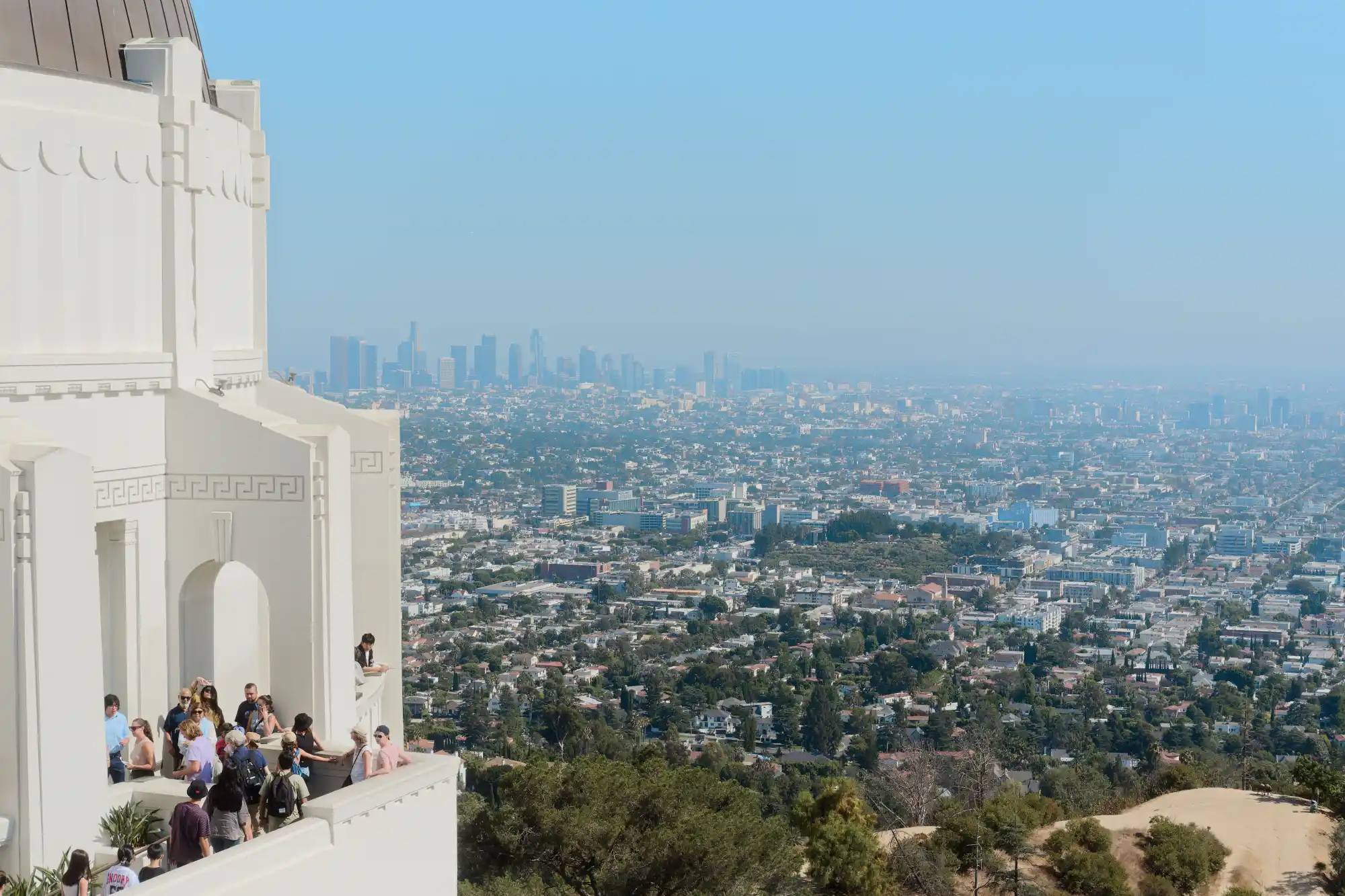
From up here, Los Angeles finally begins to make sense.
Day 1 — 10:30am*
See how big this place really is
From Hollywood, head north towards Griffith Observatory. The streets begin to climb, houses disappear behind trees and, fairly quickly, the noise of Hollywood feels much further away than it actually is.
The Observatory has occupied its perch on the southern slope of Mount Hollywood since 1935, but you don't need to know much about astronomy to appreciate why it's one of LA's essential stops. From the terraces, the city unfolds below you: Downtown in the distance, the Hollywood Sign across the hills and an almost implausible expanse of streets stretching towards the Pacific.
It's one of the few places where the sheer scale of Los Angeles becomes obvious. At street level, LA can feel like a succession of neighbourhoods loosely stitched together by freeways and boulevards. From up here, you finally see how those pieces fit.
Go inside if you have time — admission to the Observatory building and grounds is free — but don't feel obliged to turn the visit into an afternoon at a museum. Wander the terraces, look through the telescopes if they're operating, and take one of the surrounding trails for a short walk. The building itself is worth circling too: a handsome Art Deco landmark that's appeared in everything from Rebel Without a Cause to La La Land.
And then, for a few minutes at least, stop looking at the itinerary and look at Los Angeles.
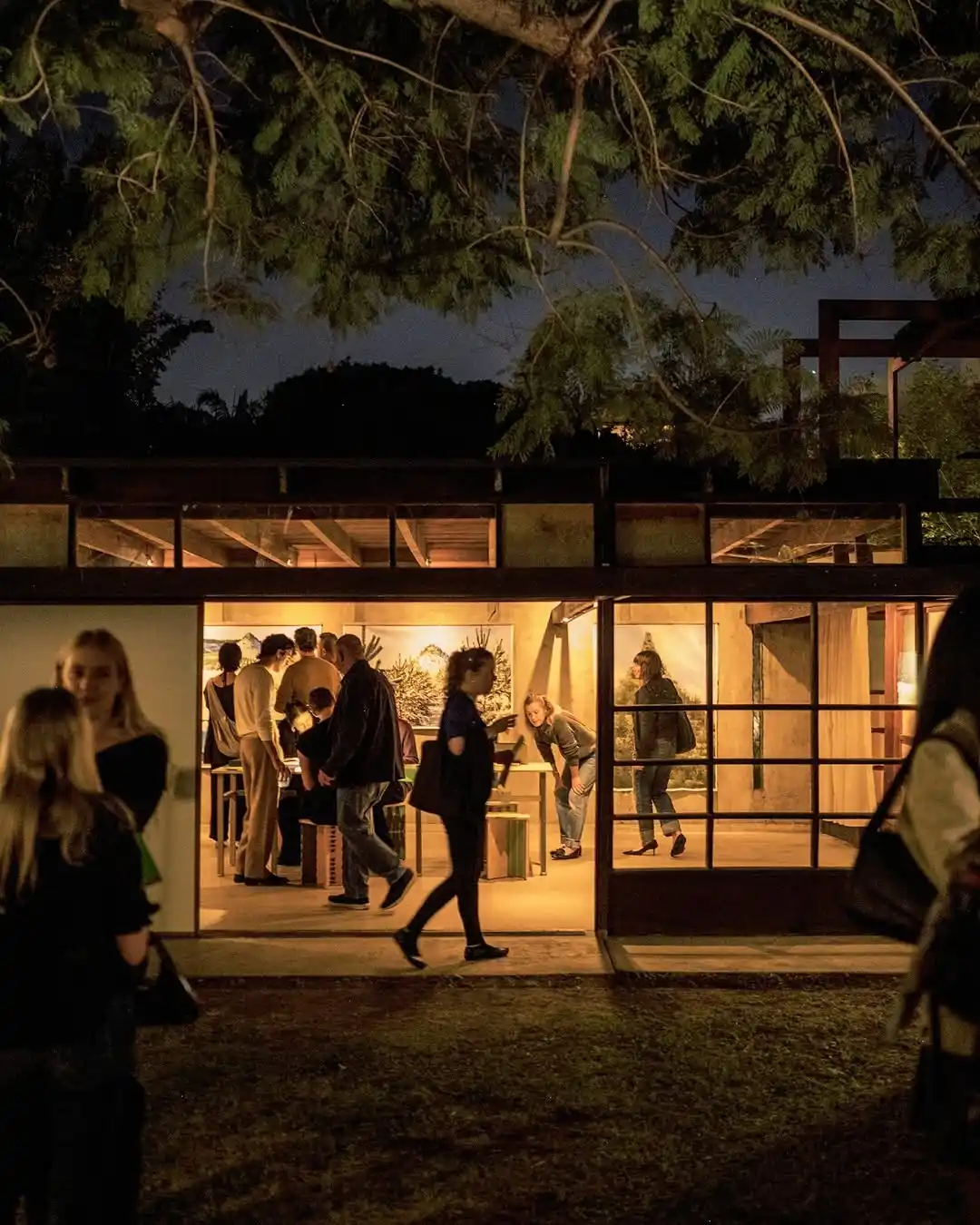
Before indoor-outdoor living became a Californian cliché, Schindler was working out how it might actually work.
Day 1 — 12:15pm*
A radical little house
Come down from Griffith and head west towards Kings Road, where one of Los Angeles' most influential houses is remarkably easy to miss.
Schindler House doesn't announce itself like an architectural landmark. Hidden behind bamboo and surrounded by garden, the low-slung concrete and timber building feels almost secret — which makes what R.M. Schindler was doing here in 1922 all the more surprising.
Designed as a home for Schindler, his wife Pauline and another couple, Clyde and Marian Chace, it discarded many of the conventions of domestic life. Each adult had their own studio, kitchens were shared, sleeping took place in rooftop porches, and sliding panels and courtyards blurred the distinction between house and garden.
A century later, those ideas can feel remarkably familiar. Indoor-outdoor living has become part of the language of Southern Californian architecture, but here you can see someone working out that relationship remarkably early.
What makes the house particularly appealing is its restraint. This isn't the cinematic LA of infinity pools and glass boxes hanging from hillsides. It's experimental, tactile and human in scale — concrete, redwood, canvas, filtered light and gardens that feel like another room.
Today it's home to the MAK Center for Art and Architecture, so exhibitions and installations regularly occupy the spaces Schindler designed for living.
Day 1 — 1:30pm*
Lunch in a little piece of LA history
By now, breakfast feels sufficiently distant. From Schindler House, head east to République on La Brea for lunch.
The building has been part of Los Angeles' food story for decades, but its history goes back further. Built in 1929 for Charlie Chaplin, it later became home to La Brea Bakery and Campanile before Walter and Margarita Manzke opened République here in 2014.
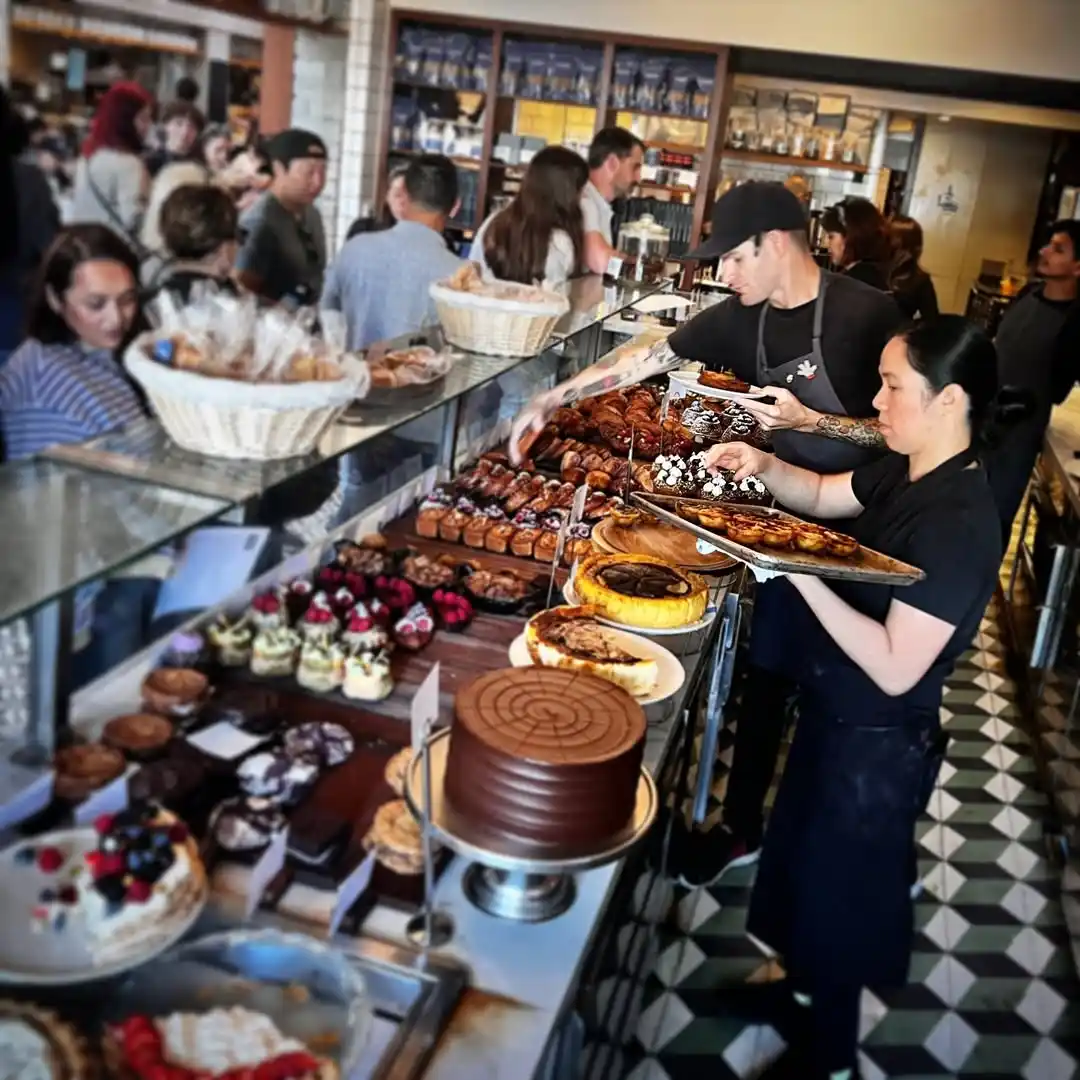
It's a spectacular room: soaring ceilings, exposed brick, blue-and-white tiled floors and a long communal table running through the centre. During the day it operates with the easy bustle of a café and bakery — considerably more relaxed than the restaurant it becomes at night.
Don't let the pastry counter distract you completely. Lunch might mean a roast pork sandwich, salad, burger or something more substantial, but leaving without investigating the bakery would demonstrate unreasonable levels of self-control.
Take your time. We're heading Downtown next, and lunch is part of the itinerary rather than something delaying it.
Day 1 — 3pm*
Go Downtown for some very big art
After lunch, head east to Grand Avenue, where two of contemporary Los Angeles' most recognisable buildings sit almost opposite one another.
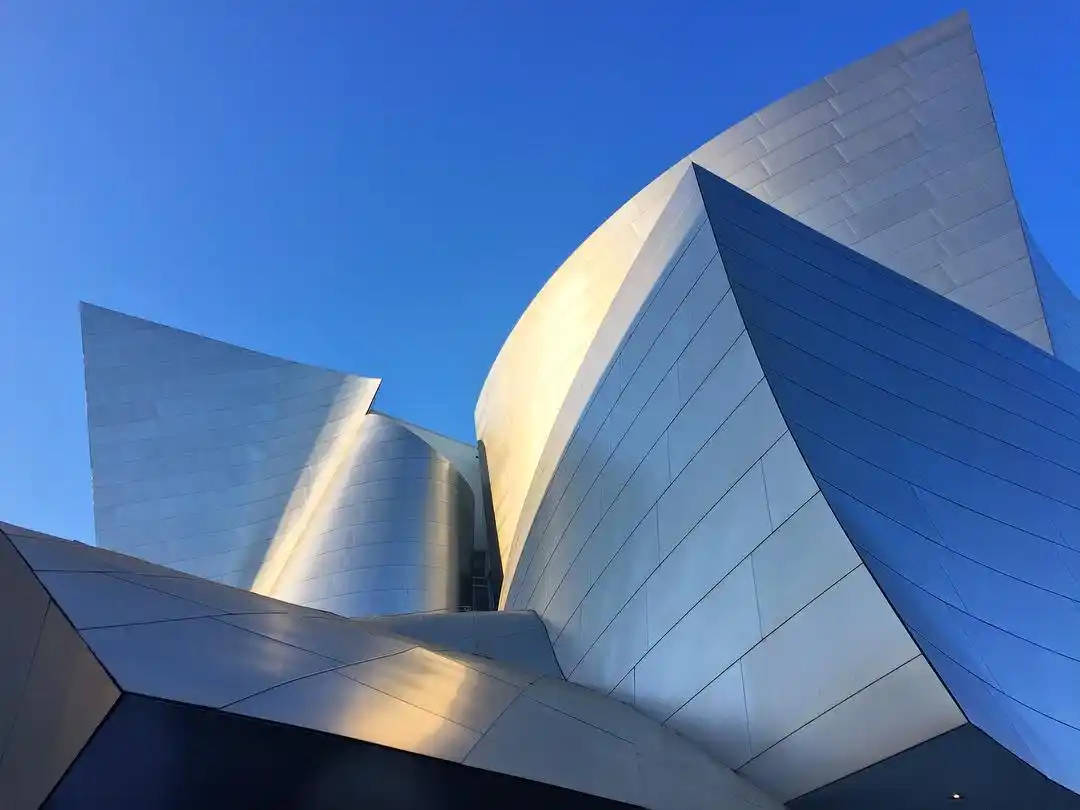
Start with a lap around Walt Disney Concert Hall. Frank Gehry's great sweep of stainless steel is one of those buildings that changes as you move around it — reflections, curves and apparently impossible pieces of metal folding over one another. You don't need concert tickets to enjoy it. The exterior is the attraction here, and we're keeping the afternoon moving.
Then cross Grand Avenue to The Broad.
Its collection is packed with the heavyweights of post-war and contemporary art — Warhol, Basquiat, Lichtenstein, Twombly, Koons and Kusama — but the building is part of the experience. Diller Scofidio + Renfro wrapped the museum in a porous white exterior known as the veil, surrounding a central storage structure rather wonderfully called the vault.
Give yourself around 90 minutes. Follow what catches your attention, skip what doesn't and resist the temptation to methodically work through every gallery.
This is a weekend, not an exam.
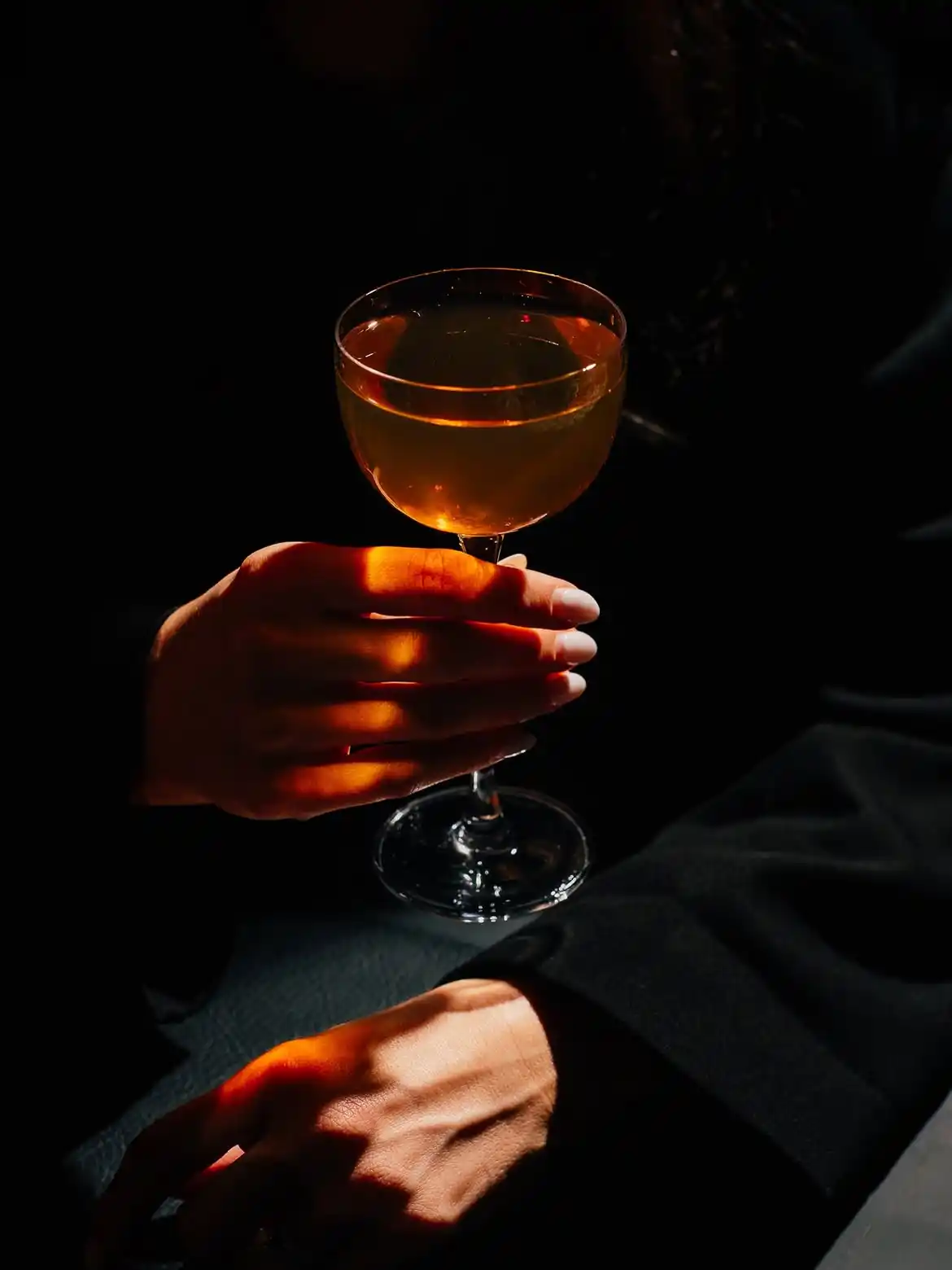
A good LA itinerary needs gaps in it. Cocktail-sized gaps.
Day 1 — 5:30pm*
Stop sightseeing
You've done enough culture for one day.
Head south-east into the Arts District, where warehouses, old industrial buildings and railway infrastructure have gradually filled with galleries, restaurants, bars and some of Downtown's most interesting places to eat and drink.
Our destination is Death & Co, the Los Angeles outpost of the influential New York cocktail bar. After the brightness of Grand Avenue, it's quite a change of scene: dark, intimate and designed for lingering over a properly made drink.
Don't turn cocktail hour into another attraction to tick off. Order something you wouldn't make at home, find a corner and stay there for a while.
Dinner isn't far away.
Day 1 — 7:30pm*
Dinner at Bestia
By now, sightseeing is firmly over. Stay in the Arts District and make your way to Bestia, hidden down East 7th Place in a converted warehouse.
When chefs Ori Menashe and Genevieve Gergis opened Bestia here in 2012, this corner of Downtown was a considerably less obvious place to open an ambitious restaurant. The old industrial building became part of its identity: exposed brick, steel beams, concrete, an open kitchen and a dining room that still feels loud, busy and energetic more than a decade later.
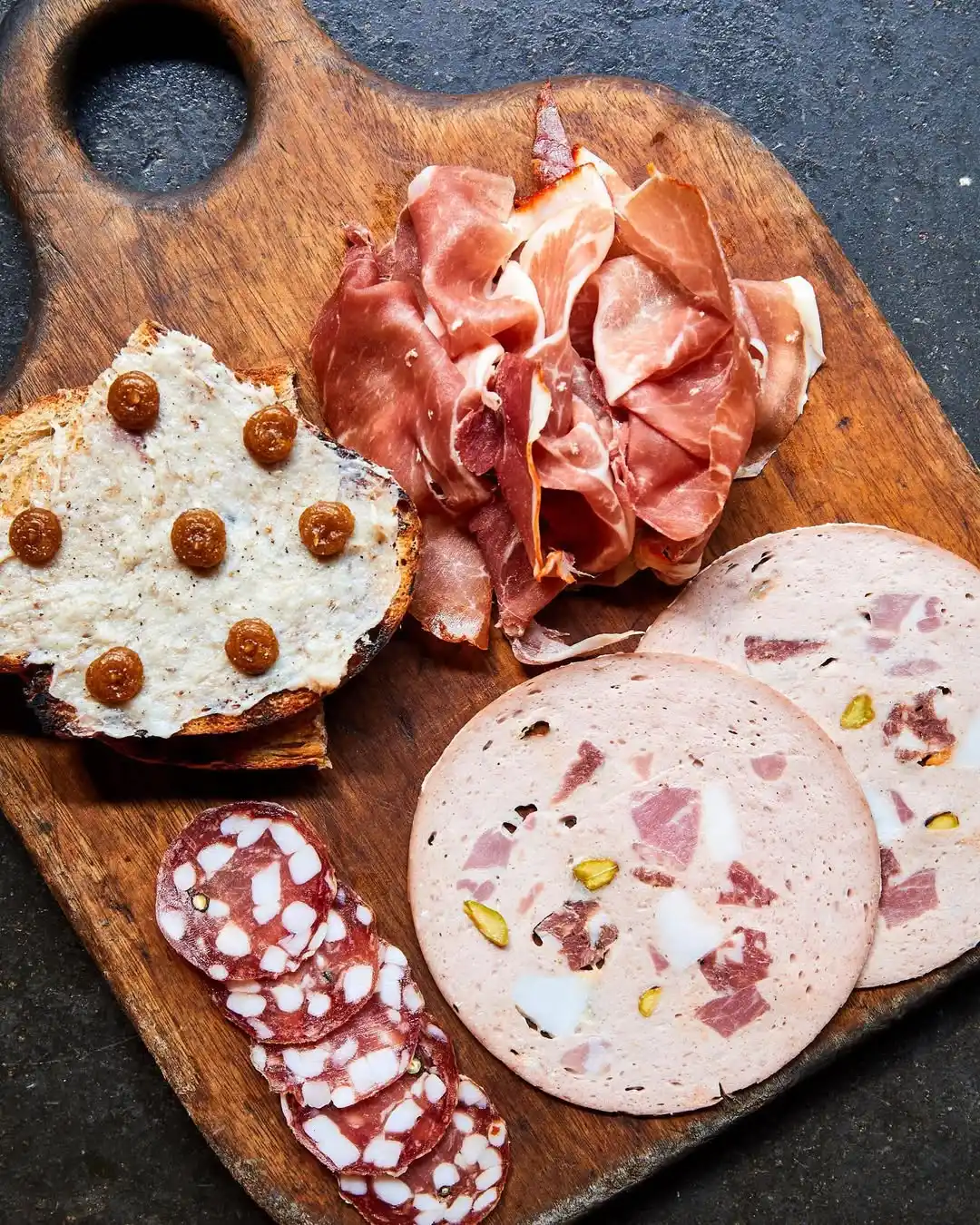
The cooking takes Italian ideas and pushes them firmly through Los Angeles. Wood-fired dishes are a big part of the menu, alongside house-made charcuterie, pizza and pasta, with Gergis responsible for the desserts.
This isn't the night for everyone to cautiously order their own main course. Get things for the table. Start with something cured or raw, add vegetables, order a pizza, definitely order pasta and see where you end up.
And save room for dessert.
Bestia currently serves dinner every night from 5pm–11pm, but for our itinerary I'd aim for a 7:30pm reservation.
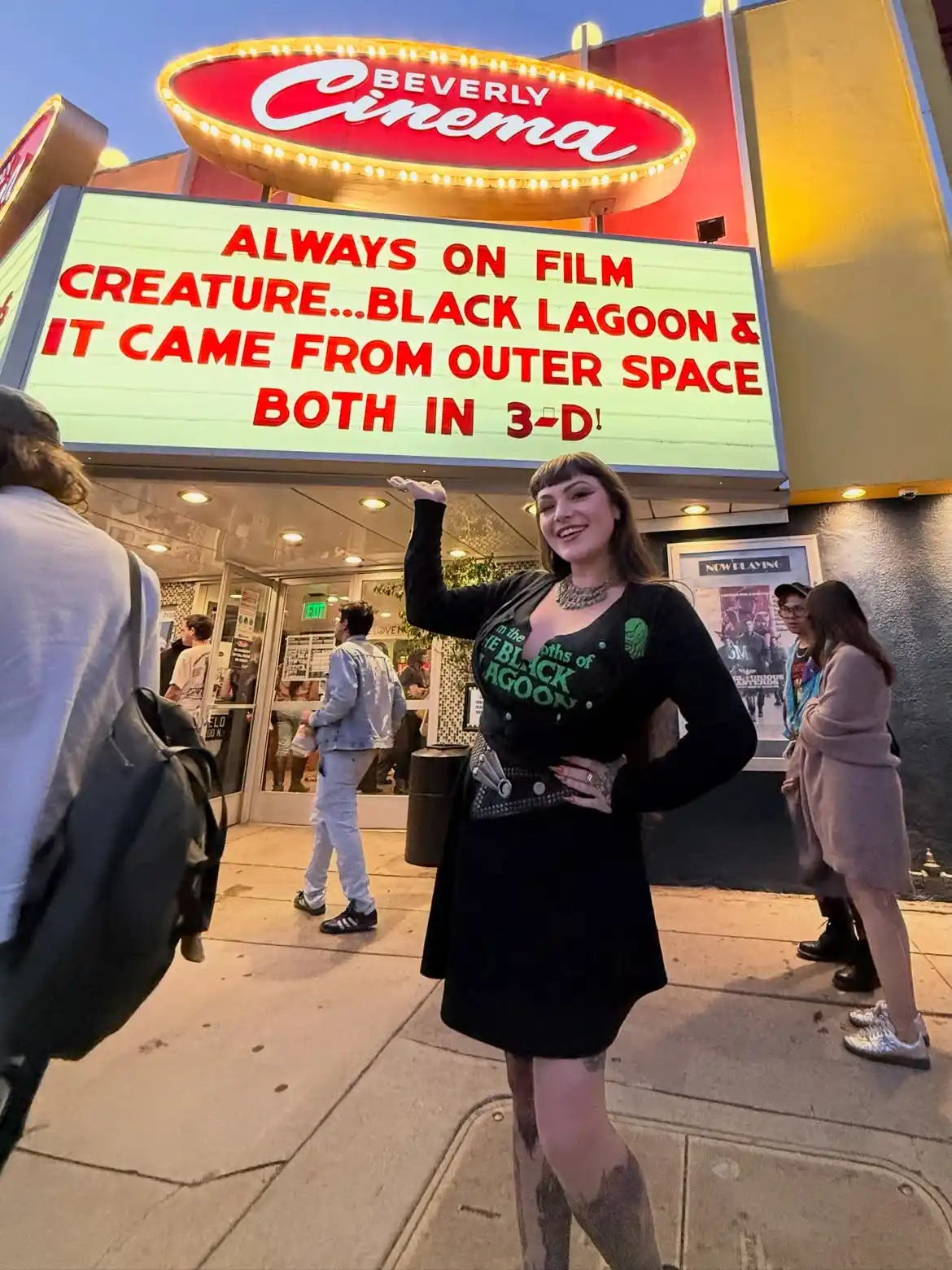
One last piece of advice: if Tarantino is showing something weird at 10pm, go.
Day 1 — 10pm* — Still awake?
Go to the movies
If dinner has finished you off, call it a night.
If it hasn't, there's one last option.
Head back towards Beverly Boulevard and the New Beverly Cinema, the wonderfully old-school repertory cinema owned and programmed by Quentin Tarantino. The theatre remains committed to showing films on film, with a programme that jumps between Hollywood classics, cult favourites, exploitation movies, horror, forgotten oddities and regular double features.
Part of the fun is seeing what's playing rather than planning the evening around a particular film. Check the programme before your trip, and if something lines up with the end of dinner, go.
Buy some popcorn, find a seat and spend the last couple of hours of Day One watching actual film flicker through a projector.
After a day that began with a Beverly Boulevard diner and wandered through Hollywood history, LA Modernism and contemporary art, ending inside an independent cinema feels about right.
Day two — Head for the ocean
Day 2 — 8am*
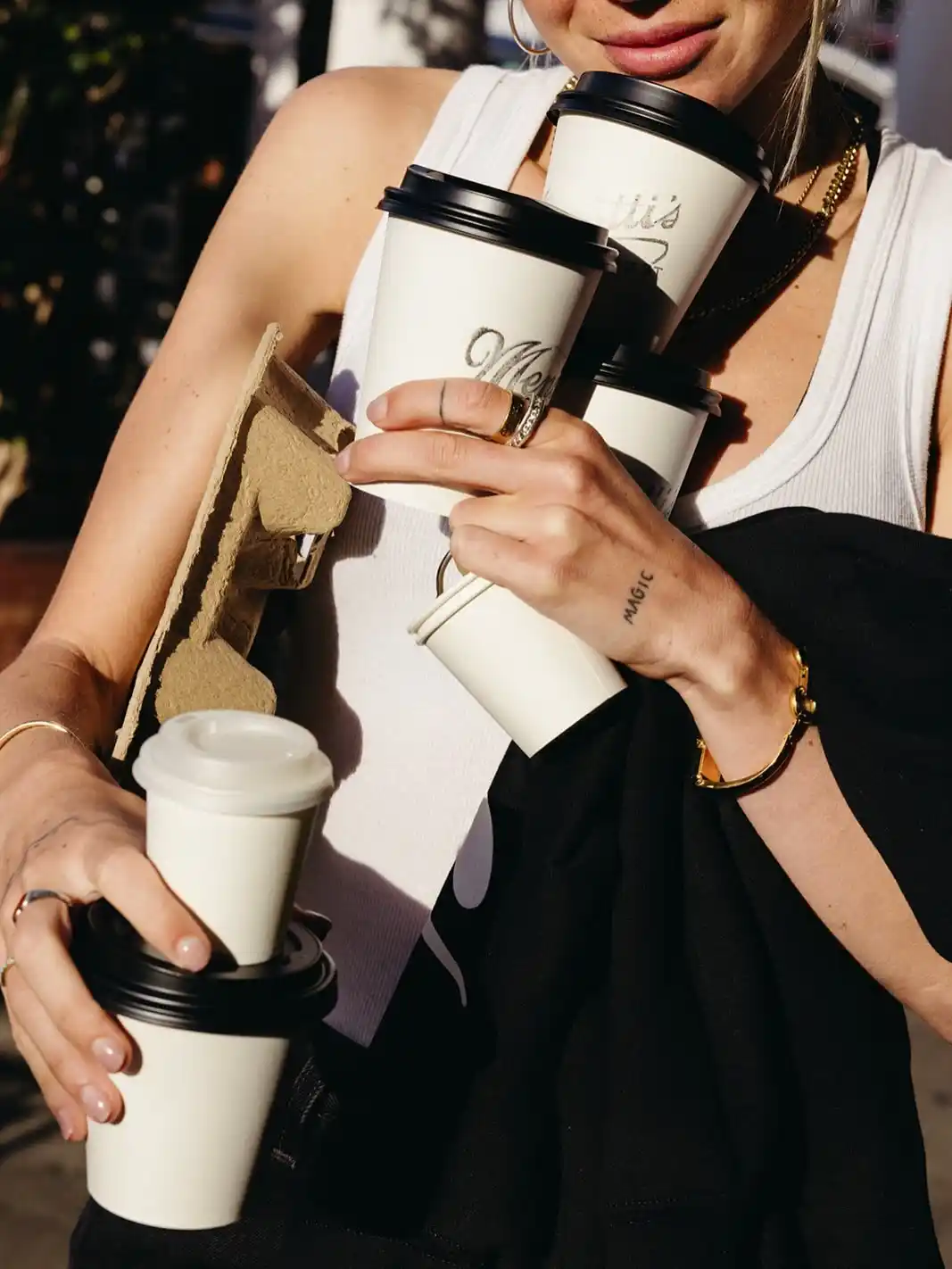
Coffee first. Pacific second.
Start at Menotti's Coffee Stop, tucked just behind the Venice boardwalk on Windward Avenue.
It's just what you want first thing in the morning: small, local and serious about coffee without making the whole business feel terribly serious. Grab an espresso, cortado or one of their signature drinks and take it outside.
You're only a few steps from the beach, so this is also a good moment for a first look at Venice before the boardwalk properly wakes up. Early morning is a different version of the neighbourhood — shutters are still coming up, surfers and runners have the sand largely to themselves and the day's crowds haven't arrived yet.
But don't fill up. Breakfast is next.
Day 2 — 8:30am*
Breakfast worth the wait
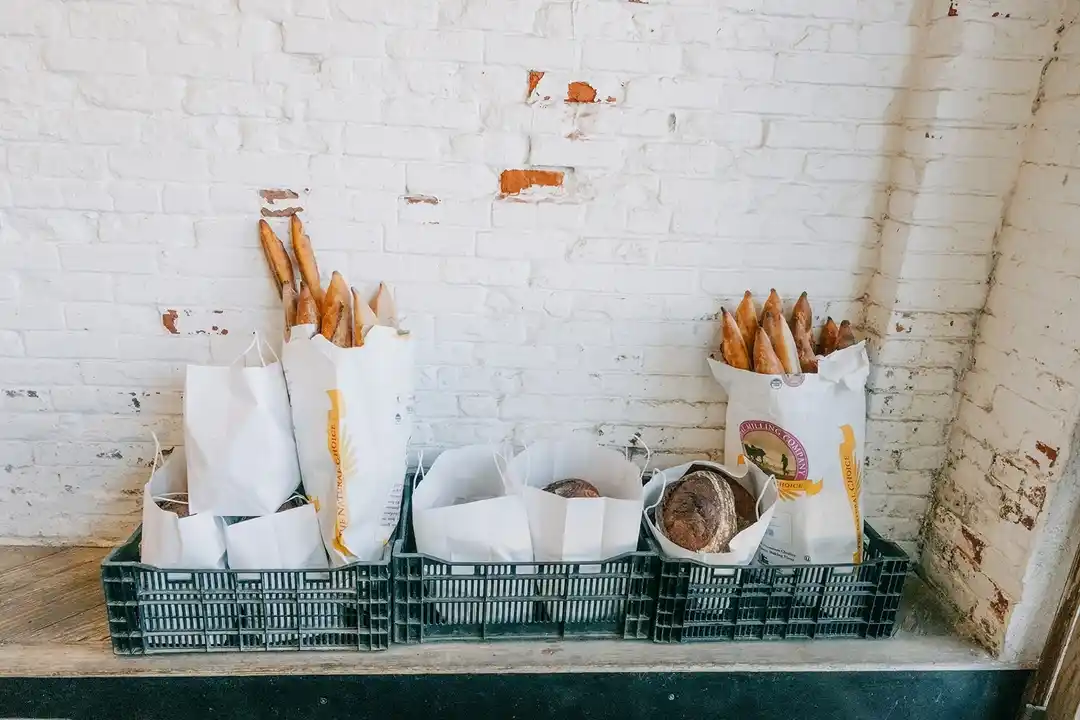
A few minutes inland from the boardwalk, Gjusta is a bakery where a quick breakfast can get out of hand once you see the counter.
Bread and pastries compete for attention with smoked fish, eggs, sandwiches and salads, while the open kitchen and deli-style displays make deciding what to order part of the experience. Take a number, survey the options and accept that whatever you planned to eat before walking in is probably irrelevant now.
There's a distinctly Californian looseness to the place. You might end up with eggs and sourdough, smoked fish on toast, something sweet from the bakery — or an unnecessarily complicated combination of all three.
Take it outside to the courtyard and give breakfast some time. The boardwalk isn't going anywhere.
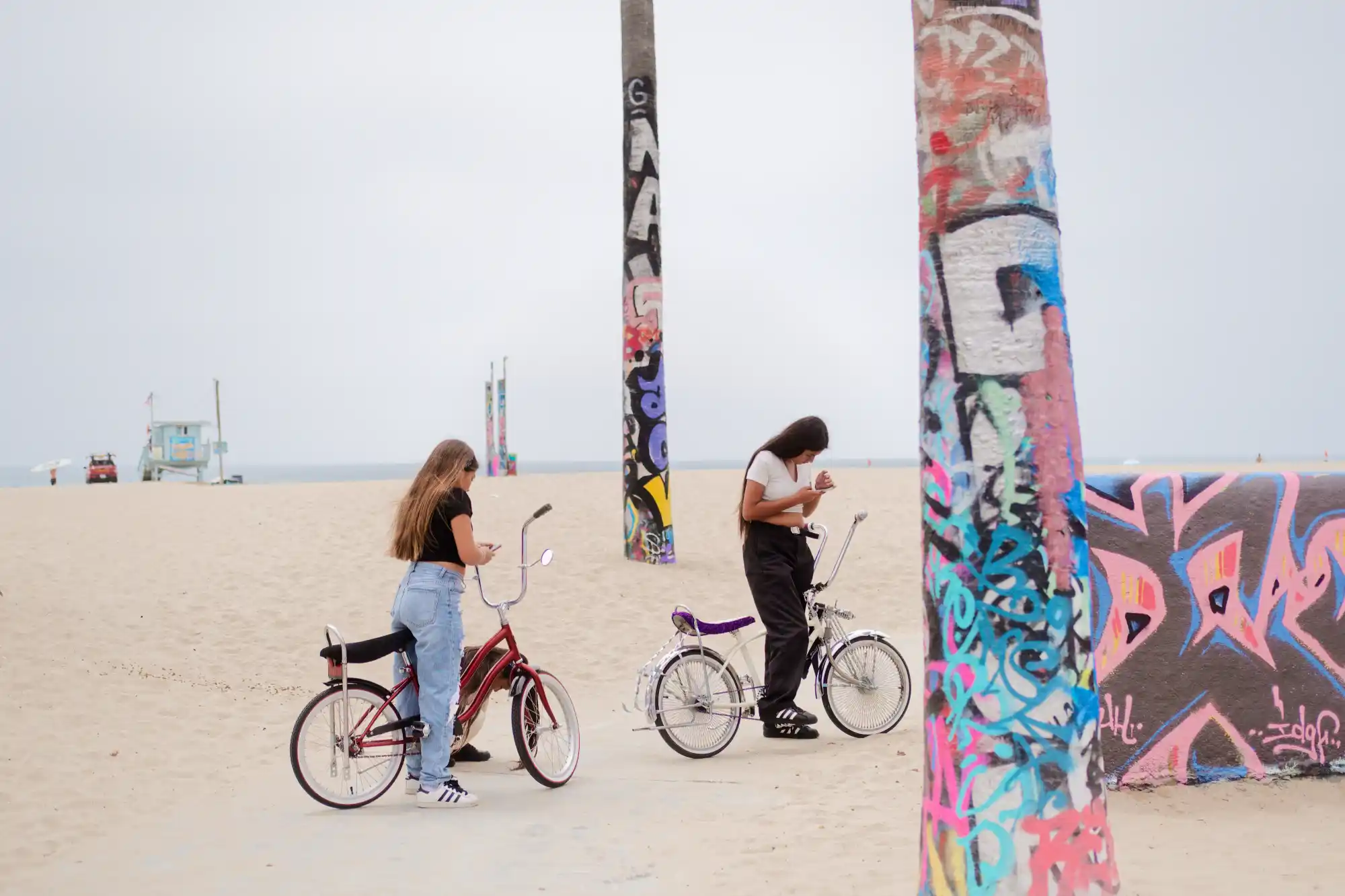
Don't try to decide whether Venice is cool, tacky, chaotic or beautiful. It's all four.
Day 2 — 9:45am*
Venice in full volume
After breakfast, head back towards the ocean and let Venice do its thing.
The boardwalk is one of those places where several versions of Los Angeles collide at once: skateboarders, bodybuilders, cyclists, street vendors, performers, tourists, locals and people who appear to belong entirely to a world of their own.
Spend some time around the Venice Skatepark, wander past Muscle Beach and then simply follow the boardwalk. There's no particular sight you're trying to reach. The people, bikes, murals, palm trees and constant procession of odd little moments are the attraction.
Venice can be cool, tacky, chaotic and beautiful within the space of about thirty metres.
That's rather why we like it.
Day 2 — 11am*
The other Venice
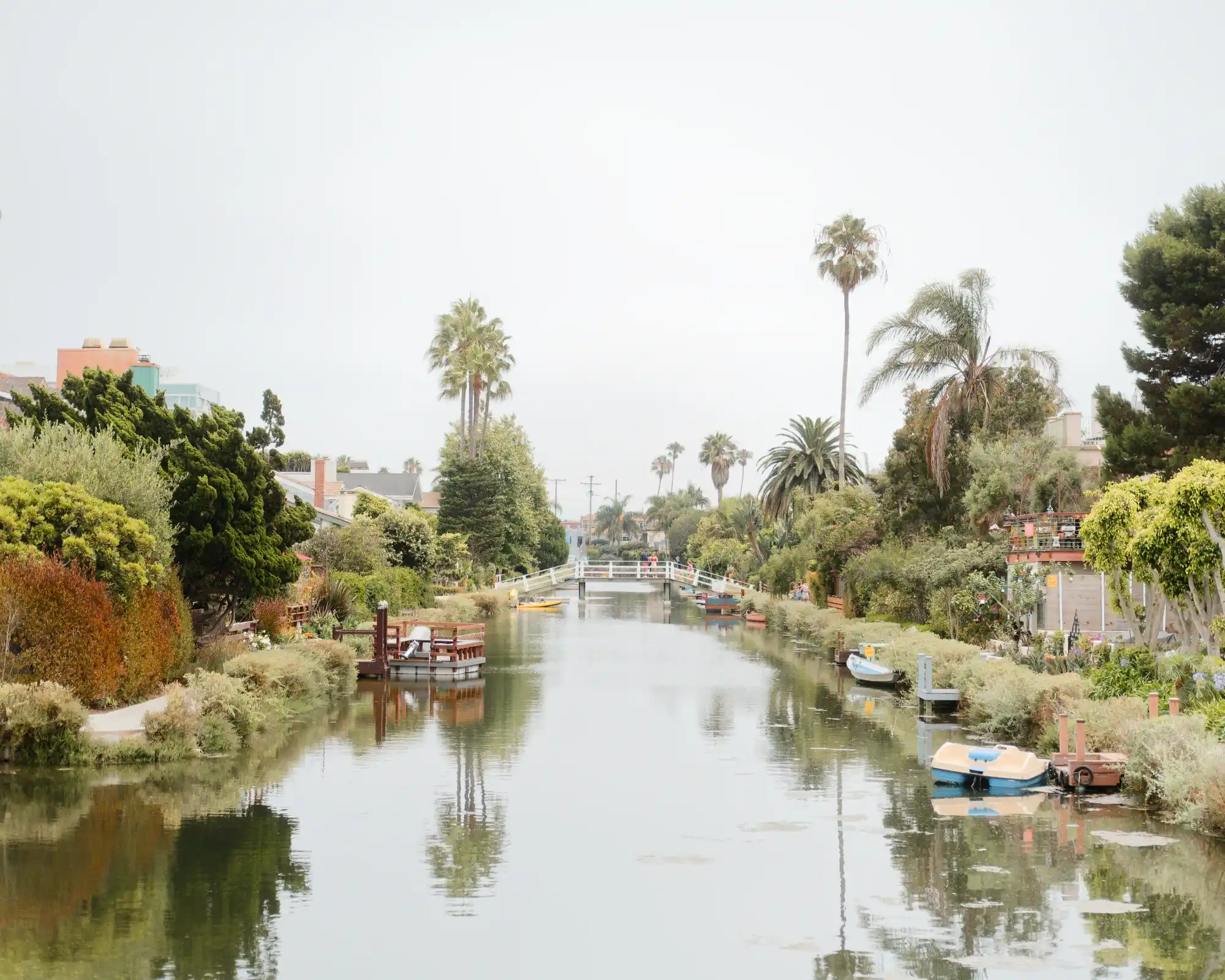
A few streets back from the boardwalk, Venice suddenly goes quiet.
The Venice Canals are remnants of developer Abbot Kinney's early 20th-century plan to create his own version of Venice on the Californian coast. Much of the original canal network eventually disappeared beneath roads, but the surviving waterways now form a small residential pocket of footbridges, gardens and some extremely desirable houses.
There's very little you're supposed to do here.
Walk beside the water. Cross a few bridges. Look at the architecture. Admire the gardens. Speculate wildly about the price of the houses.
After the noise and colour of the boardwalk, that's precisely the appeal.
Day 2 —11:30am*
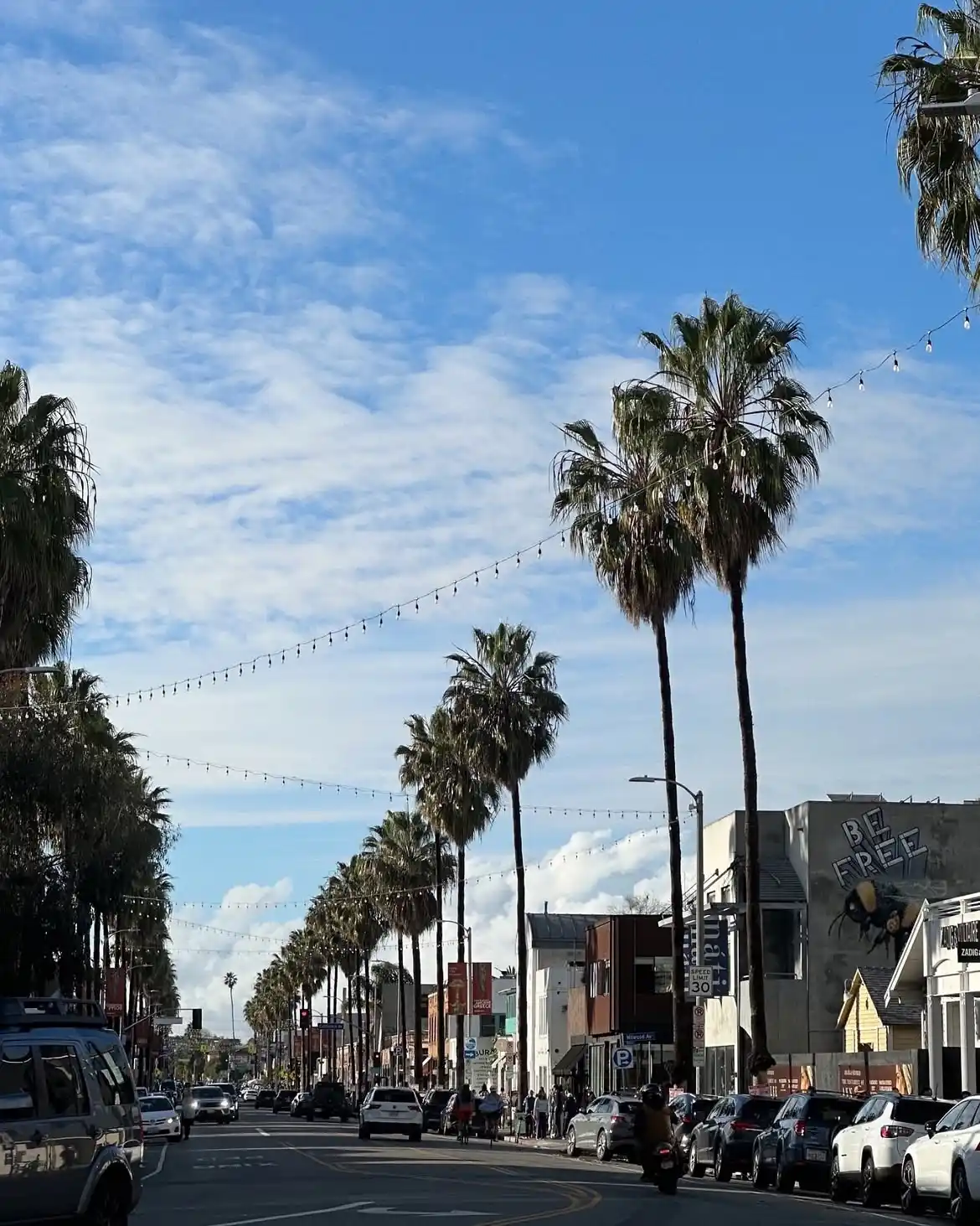
Wander Abbot Kinney
From the canals, make your way towards Abbot Kinney Boulevard, the mile-long strip named after the developer whose rather ambitious vision of an American Venice gave the neighbourhood its name.
These days the gondolas have been replaced by coffee shops, restaurants, independent boutiques, galleries and plenty of beautifully designed places selling things you hadn't realised you needed.
Don't approach it with a shopping list. Wander.
There are still glimpses of the eccentric Venice that existed before the neighbourhood became one of LA's most desirable addresses, mixed among polished shopfronts and serious amounts of good typography. Duck into whatever looks interesting, get another coffee if necessary and slowly work your way towards lunch.
Because conveniently, one of the best reasons to be on Abbot Kinney is where we're going next.
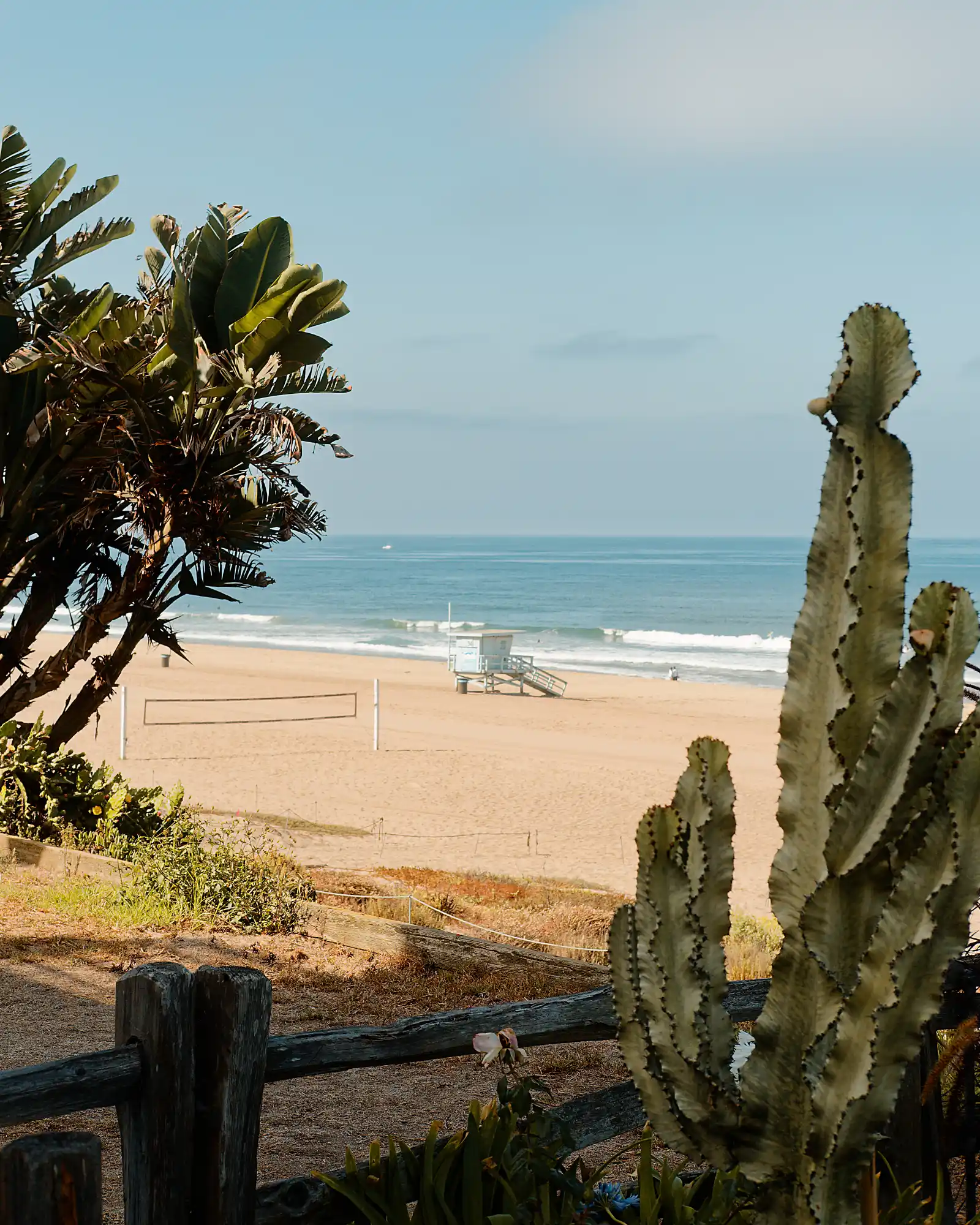
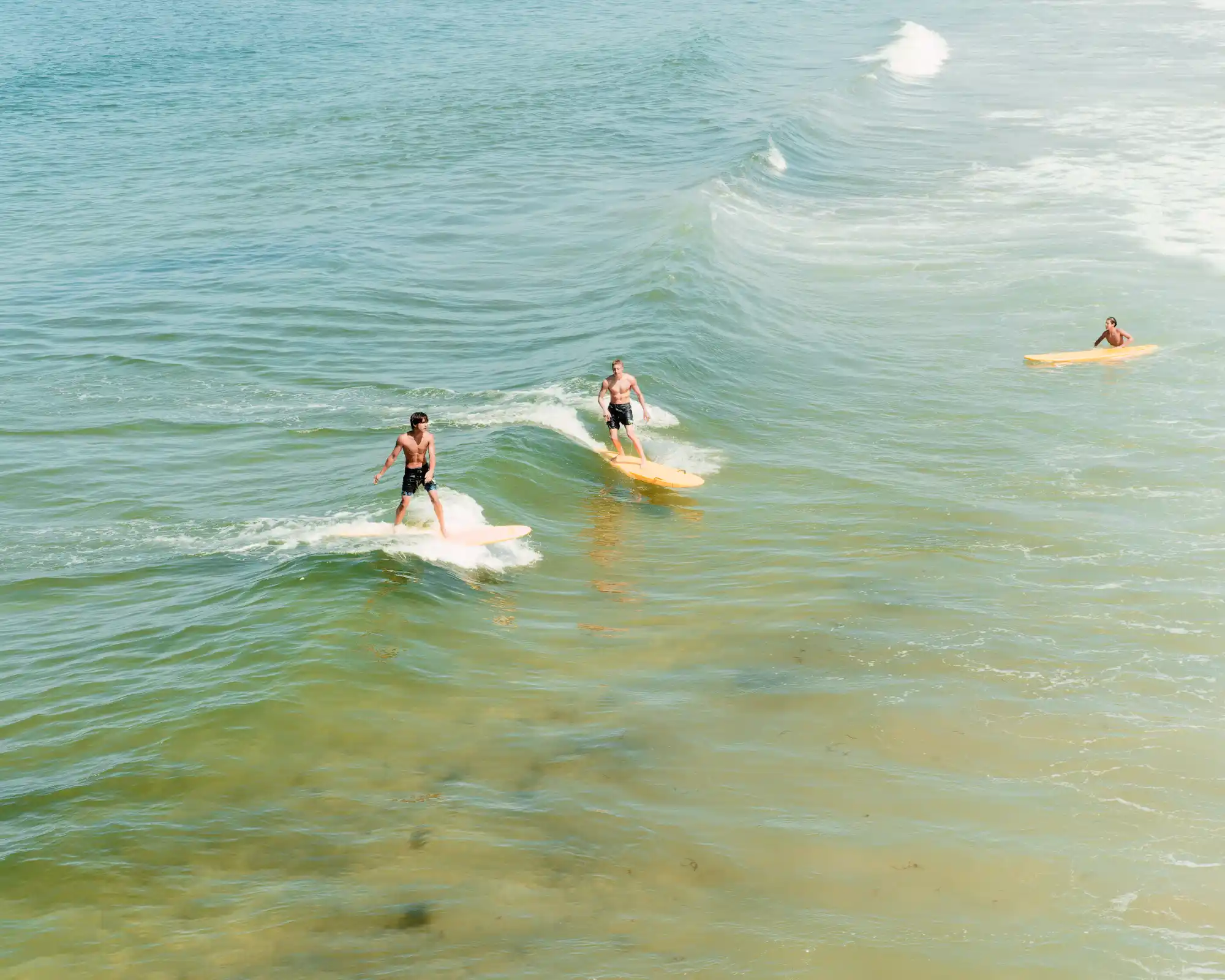
Three beaches. Two wheels. Zero reason to hurry.
Day 2 — 2pm*
Two wheels, three beaches
After lunch, leave Venice behind and head south towards Manhattan Beach, where we're swapping four wheels for two.
Hire a bike near the beach and pick up The Strand, the paved coastal path that runs beside one enormous sweep of Pacific sand. From here, the afternoon requires very little planning: point south and ride.
Manhattan Beach is polished and photogenic, with volleyball courts, handsome beachfront houses and its pier stretching out into the Pacific. Keep going and the mood gradually loosens as you reach Hermosa Beach, where the path runs past patios, bars and the activity around Pier Avenue.
Further south, Redondo Beach has a slightly more old-school seaside character, with its harbour, pier and fishing boats providing a change from the seemingly endless sand further north.
But don't turn this into an endurance event. Stop when something looks interesting. Walk out onto a pier. Watch the volleyball. Get something cold in Hermosa. Continue towards Redondo if you feel like it, or turn around and slowly make your way back to Manhattan.
There isn't a finish line.
For a couple of hours, Los Angeles becomes wonderfully straightforward: beach on one side, houses on the other and the Pacific following you all the way.
Day 2 —5pm*
One last stop before returning the bikes
By the time you make it back to Hermosa, getting off the bike will probably feel like a reasonably good idea.
Even better: there’s seafood nearby.
Coni’Seafood arrived in Hermosa Beach in 2025, but the restaurant’s story goes back considerably further. The Cossio family began cooking Nayarit-style seafood in their Inglewood backyard in the late 1980s, eventually turning those family gatherings into one of Los Angeles’ most distinctive Mexican seafood restaurants.
The Hermosa outpost puts all of that just a few blocks from the Pacific.
This isn't necessarily another full meal. Order a ceviche, some shrimp and something cold to drink. If you've worked up a serious appetite, the signature pescado zarandeado — a whole snook grilled until smoky and deeply caramelised — is the move, although doing it justice may require reconsidering your dinner plans.
Sit for a while. You've earned it.
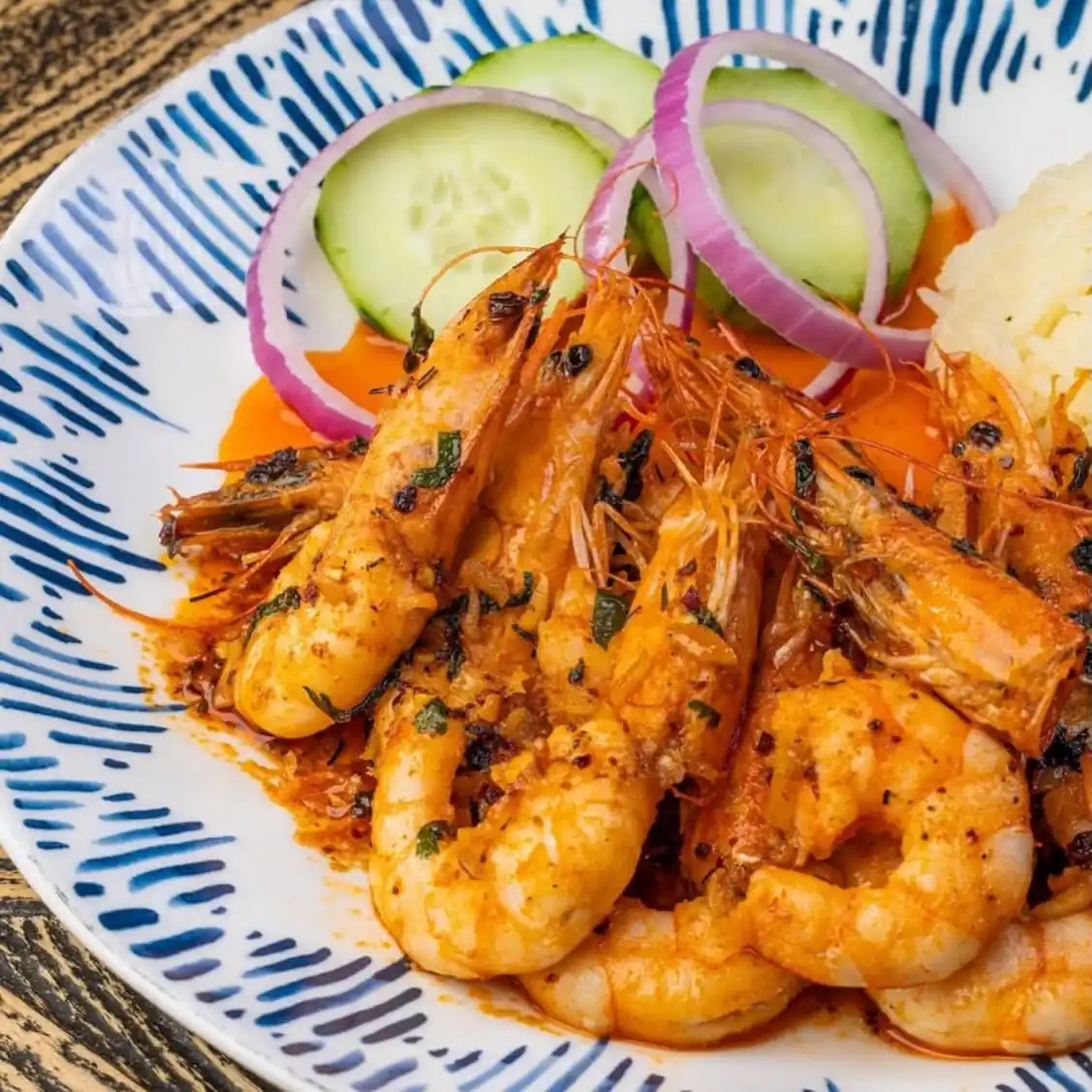
Sit for a while. You've earned it. Then make your way back towards Manhattan Beach, return the bikes and take your time getting there. If the timing works, the last stretch of the ride should coincide nicely with the sun getting lower over the Pacific.
Day 2 —7:30pm*
One last LA dinner
After returning the bikes, stay in Manhattan Beach. Our final stop is barely a block from the sand.
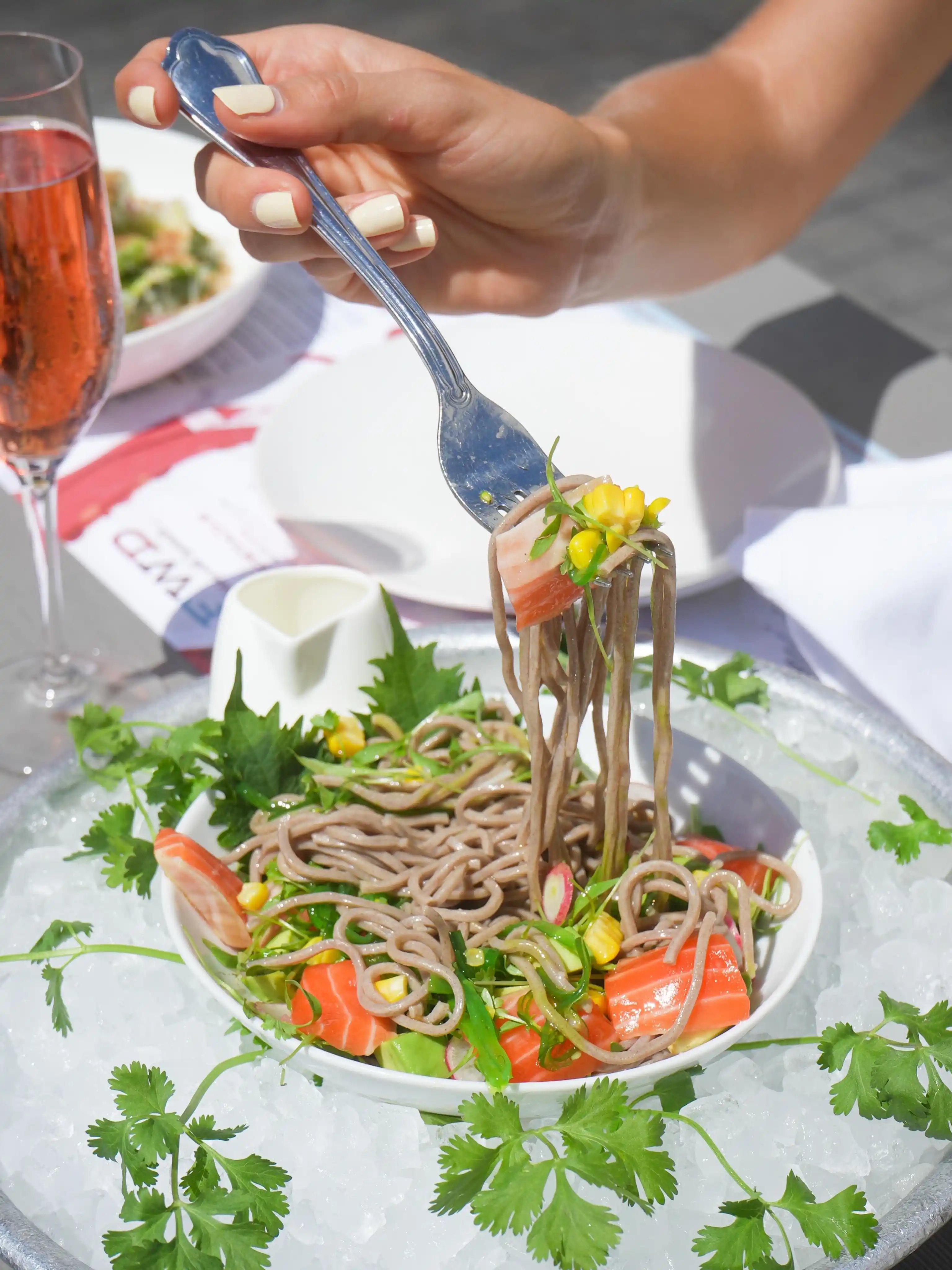
Fishing With Dynamite is a tiny seafood restaurant from chef David LeFevre, with the easy energy of a neighbourhood oyster bar and a menu that makes it dangerously easy to keep ordering.
Start with the raw bar. Oysters are practically compulsory, then add whatever looks particularly good that evening — perhaps scallops, ceviche or a seafood platter — before moving on to crab cakes, chowder, fish or the lobster roll.
It's an intimate little room, especially after spending the afternoon under an enormous California sky. Tables sit close together, plates accumulate quickly and dinner has a pleasing tendency to become a little bigger than originally intended.
Order for the table, get another glass of wine and don't worry about what comes next.
For two days we've zigzagged through diners and Modernist houses, Hollywood history and contemporary art, cocktail bars, old cinemas, Venice oddballs and miles of Pacific coastline.
And we've barely scratched the surface.
Day 2 — 9:30pm*
One for the road
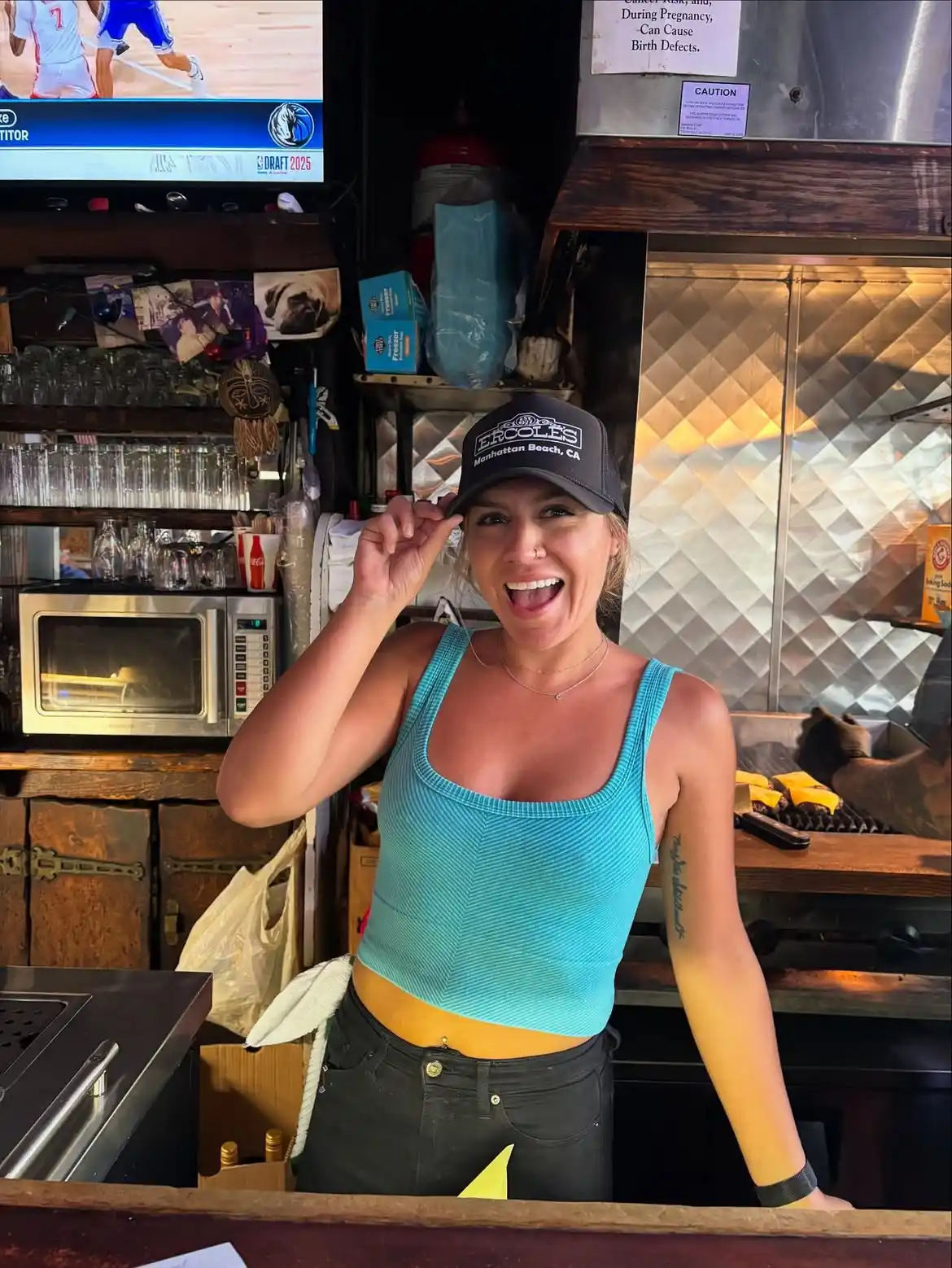
You could sensibly call it a night. Or you could walk a few minutes through Manhattan Beach to Ercole’s.
The neighbourhood dive has been around since the 1920s, and after two days of carefully selected restaurants, architecture, galleries and cocktails, its lack of polish feels rather perfect. There are red vinyl booths, neon beer signs, pool tables and the sort of atmosphere that hasn't been redesigned to look old-school — it simply is.
Order a beer, find a booth and enjoy the fact that our final recommendation in Los Angeles requires absolutely no further sightseeing.
Stay for one. Stay for two. We've officially run out of itinerary.
A good 48 hours in Los Angeles should leave you with a longer list than the one you arrived with.
*Times are approximate